 EN
EN

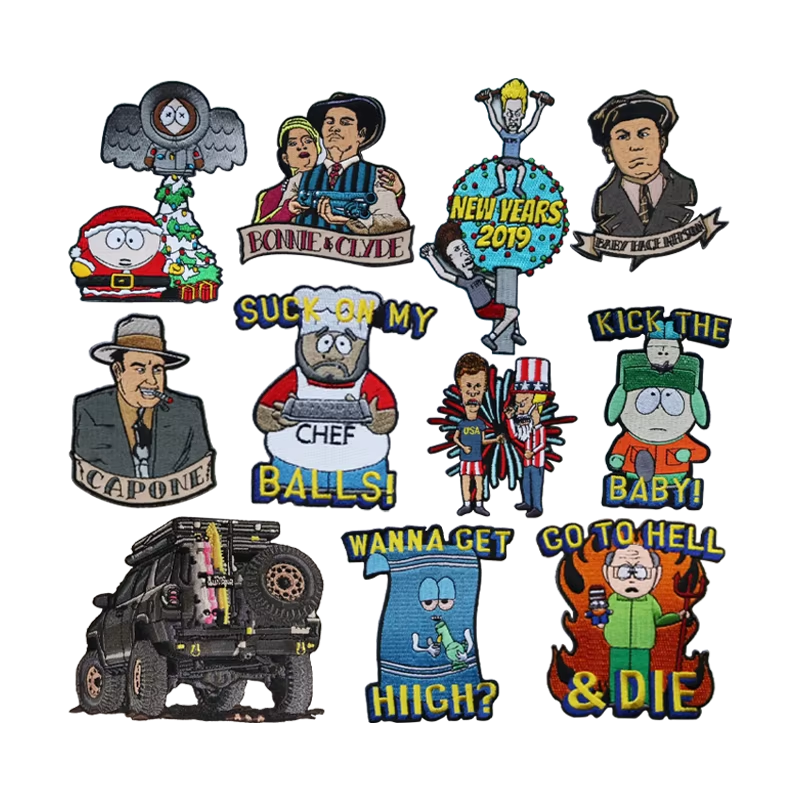
Match Custom Patch Material to End-Use Environment
Selecting the optimal material for your custom patch requires matching physical properties to environmental demands. Performance hinges on three critical factors: exposure frequency, stress conditions, and aesthetic requirements. Neglecting this alignment risks premature deterioration—a leading cause of patch replacement costing businesses $740k annually in unplanned expenditures (Ponemon Institute, 2023).
Uniforms & Workwear: Durability, Wash Resistance, and Long-Term Adhesion
Industrial laundering cycles demand rugged materials like densely woven polyester or reinforced twill. These fabrics withstand 50+ wash cycles without fraying while maintaining adhesive integrity. For high-friction roles—such as utility linemen or warehouse staff—embroidered patches with UV-resistant threads prevent color fading during repeated cleaning.
Fashion & Lifestyle Apparel: Aesthetic Appeal, Soft Hand Feel, and Design Versatility
Merino wool blends and silk mixes work great for clothing that needs to hang right against the body and feel comfortable against skin, which is what luxury fashion brands really want. When it comes to adding designs, sublimation printing lets manufacturers get those super detailed images onto light weight materials, whereas chenille embroidery adds some real texture depth that makes stories behind the brand come alive visually. For pieces that will spend time outdoors or by the pool, going with fabrics that won't fade when exposed to sunlight for long periods becomes absolutely essential. Many customers have had enough of bright colors turning dull after just one summer season.
Tactical, Outdoor & Industrial Applications: Weatherproofing, Abrasion Resistance, and UV Stability
PVC-backed patches provide complete water resistance for field gear, while ballistic nylon withstands abrasion from equipment straps and rough terrain contact. Critical performance benchmarks include:
- UV stability exceeding 500 hours (ASTM G154)
- Operational temperature tolerance from –40°F to 185°F
- Mold/mildew resistance (ISO 846 certified)
Align Material Type with Custom Patch Design Complexity
Woven Custom Patches: Ideal for Fine Lines, Small Text, and High-Detail Logos
Woven patches deliver exceptional precision for intricate designs, achieving thread densities up to 2,000 stitches per square inch. This technique excels at reproducing:
- Hairline strokes in corporate logos
- Sub-3mm font sizes for serial numbers or regulatory markings
- Gradient shading in photographic elements
Unlike embroidered alternatives, woven construction maintains sharpness on complex geometries without puckering. Its flat profile integrates seamlessly with formal uniforms and technical gear where minimal bulk is critical—making it the preferred choice for aviation insignia, law enforcement badges, and medical ID patches.
Embroidered Custom Patches: Best for Bold Graphics, Dimensional Texture, and Brand Presence
Embroidery creates tactile dimensionality through layered threadwork, with raised elements reaching 1.5mm in height. This method enhances:
- Corporate crests with metallic or glow-in-the-dark thread accents
- Tactical unit insignias requiring shadow effects and depth cues
- Brand logos demanding physical prominence on retail apparel or safety gear
The textured surface withstands 50+ industrial wash cycles while retaining color vibrancy. According to textile adhesion studies, the physical depth of embroidered patches increases visual recognition by 40% versus flat alternatives—particularly valuable in fast-paced environments like emergency response or warehouse logistics.
Compare Base Fabrics for Custom Patch Performance and Aesthetics
Selecting the optimal base fabric for your custom patch requires balancing durability needs with visual impact. Consider these key material attributes:
| Fabric | Performance Strengths | Aesthetic Qualities | Ideal Applications |
|---|---|---|---|
| Twill | High fray resistance, maintains shape under stress | Crisp texture, professional finish | Uniform insignia, detailed corporate logos |
| Felt | Moderate durability, requires edge reinforcement | Soft tactile feel, vintage appearance | Decorative apparel, collector's items |
| Polyester | Excellent fade/wrinkle resistance, withstands frequent washing | Vibrant color retention, synthetic sheen | Outdoor gear, athletic uniforms |
| Cotton | Breathable comfort, biodegradable | Natural matte finish, classic look | Casual fashion, limited-wash garments |
When it comes to tough applications, twill really stands out because of how tightly woven diagonally it is. Tests show it can handle about 50% more abrasion before showing wear compared to felt according to the Textile Durability Report from last year. Speaking of colors staying bright, polyester holds up much better than cotton after repeated washing cycles. After fifty goes through the machine, polyester still keeps around 94% of its original color intensity while cotton only manages about 78%. For those wanting that retro look with patches though, nothing beats the softness of good quality felt material. The downside? Those edges need some reinforcement if they're going to be subjected to constant movement and friction. So what's the bottom line here? If patches are going to get beat up by weather conditions or regular cleaning routines, go with either twill or polyester materials. But when appearance matters most and durability isn't quite as critical, cotton or felt options work wonders for creating visually appealing designs.
Select Backing, Thread, and Compliance Options for Reliable Application
Sew-On, Heat-Seal, and Hook-and-Loop Backings: Matching Installation Method to Use Case
The choice of backing material makes all the difference when it comes to how long custom patches last and what they can do. For situations where patches need to stay put no matter what, sew-on backings are the way to go. These create strong, lasting attachments via actual stitching, which is why fire departments and construction workers rely on them so much. Safety matters here because losing a patch during critical moments could be dangerous. Heat seal patches work differently. They stick using special glue that melts when heated up in a press. Great for putting on nylon jackets without any visible seams, but watch out if the fabric gets too hot since some materials just won't handle it. Then there's Velcro style hook and loop systems. Perfect for gear that needs changing around often like tactical vests, but let's face it, those little hooks don't hold forever once they've been pulled apart dozens of times.
For compliance, verify flammability ratings and chemical restrictions—medical or children's apparel patches often need FDA-compliant threads and nickel-free hardware. Prioritize application context: a heat-sealed patch survives 50+ industrial washes when bonded correctly, whereas sew-ons withstand shear forces up to 15 kgf in mechanical stress tests.
Frequently Asked Questions
What materials are recommended for durable patches in industrial settings?
Twill and polyester are recommended for their high durability, with twill offering superior abrasion resistance and polyester providing excellent color retention after multiple washes.
How do you choose the right backing for custom patches?
Choose sew-on backing for durable attachments, heat-seal for seamless application, and hook-and-loop systems for gear that requires frequent patch changes.
What are the best patch materials for fashion and lifestyle apparel?
Merino wool blends and silk mixes offer aesthetic appeal and comfort, while sublimation printing and chenille embroidery provide design versatility.
Why is it important to align patch material with environmental demands?
Ensuring material suitability prevents premature deterioration and unnecessary replacement costs, as environmental conditions affect patch wear and performance.