 EN
EN

The Digital Gateway: Engineering High-Performance Military Identification Hardware
In the hyper-competitive landscape of professional institutional logistics, the selection of identity hardware has emerged as a fundamental strategic decision that dictates both the operational budget and the institutional authority of a unit. For procurement officers, supply chain directors, and uniform engineering teams, the ongoing transition toward high-performance identification infrastructure is more than a simple aesthetic change. It is a technical negotiation of material science, mechanical resilience, and logistical throughput. As organizational objectives shift toward aggressive identity standardization and optimized hardware performance, understanding the distinct operational and mechanical roles of these high-specification identification systems is essential for long-term institutional success.
The Engineering of High-Visibility Visual Clarity
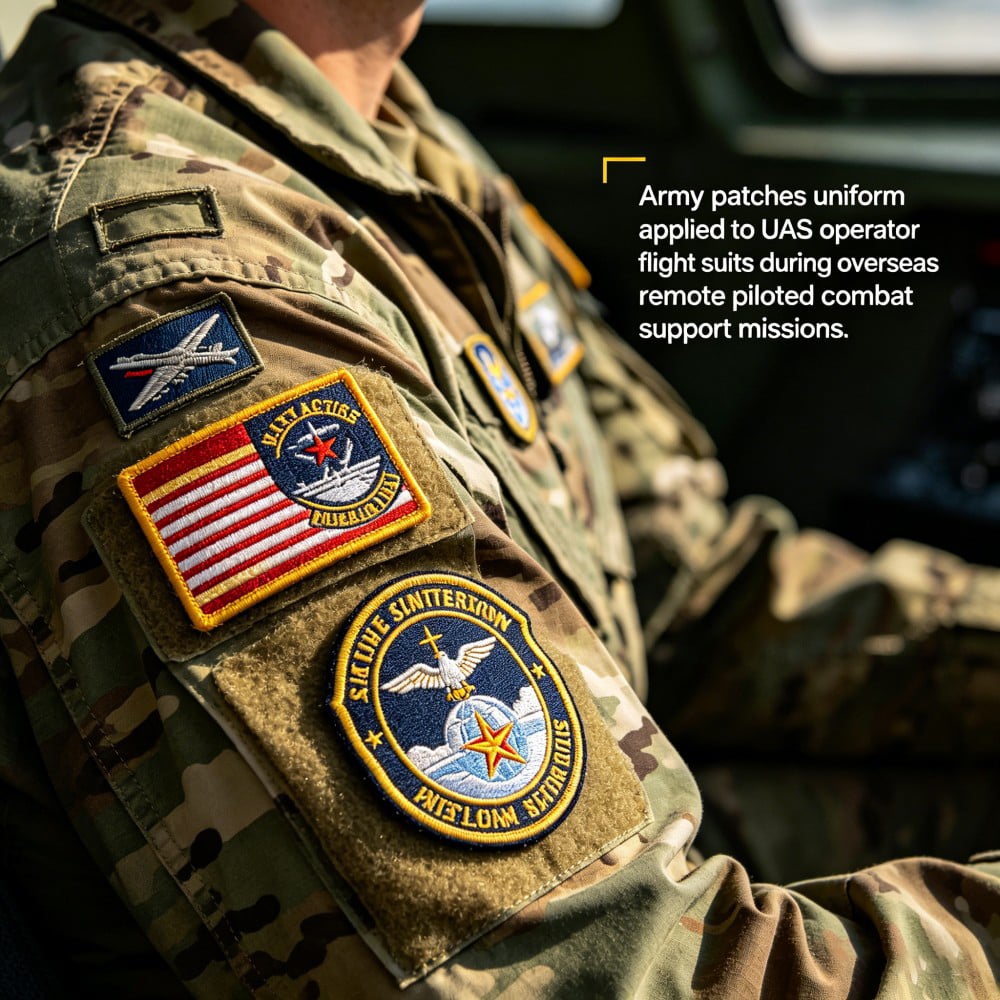
The modern identification patch is far more than a decorative symbol; it is a high-precision, strategic engineering asset designed for immediate identification. From an engineering perspective, a well-calibrated identification system acts as a visual stabilizer, ensuring that institutional marks remain perfectly distinct throughout the volatile stages of multi-modal transit and field operation. By utilizing advanced vector-based design logic, designers create complex insignia that offer significant relief and structural definition. This targeted approach to design allows for a lean identity profile that minimizes aggregate weight while maximizing visual fidelity. By eliminating the physical limitations of traditional thread-based embroidery—which often suffers from blurring or structural collapse—organizations create an identity system that maintains geometric consistency and architectural sharpness, even under the harsh glare of direct solar radiation or through dense atmospheric interference.
Material Science and Environmental Resilience
In scenarios where product exposure or high-transit risk are the primary variables, high-specification polymer patches remain the definitive industrial benchmark for identity hardware. This architecture provides a comprehensive, 360-degree environmental barrier that shields the identity mark from moisture ingress, solar UV degradation, and mechanical physical abrasion. For items subjected to extreme thermal environments, constant exposure to atmospheric contaminants, or intense daily wear, the material resilience of a precision-molded asset provides the necessary resistance required to withstand the most demanding handling points within a global supply chain. Furthermore, modern identification patches offer superior resistance to color fading, ensuring that unit marks remain crisp, legible, and structurally sound for the entire lifecycle of the uniform. This is the definitive selection for logistics environments where the transit path is unpredictable and the requirement for total visual isolation from environmental stressors is paramount to maintaining institutional quality standards.
Logistical Throughput and Automated Assembly
Operational speed is a decisive factor in the selection of any identification system. Professional-grade patches allow for rapid, high-frequency application; their design enables seamless integration into automated supply lines, where high-speed logistics machines affix the branding assets using hook-and-loop, heat-press, or standardized modular channels with absolute mechanical consistency. This structural reliability drastically reduces the time-per-unit cost, supporting higher operational volumes and leaner assembly workflows. Conversely, inferior identity systems often necessitate extensive manual alignment, rework, and corrective protocols, which introduce mechanical complexity into the assembly environment. However, the increased geometric uniformity of precision-manufactured identification hardware simplifies palletization and high-density warehouse storage, as the patches stack and apply with absolute precision. Logistics managers must carefully balance these trade-offs, as standardized hardware systems optimize assembly velocity while providing superior visual reliability in high-density storage environments.
Strategic Identity Management and Institutional Longevity
The industrial shift toward polymer-based identification hardware is driven by the rigorous application of institutional equity protection principles. High-performance systems represent a profound reduction in total reliance on degradation-prone natural fibers, directly contributing to measurable decreases in maintenance costs during both distribution and field use cycles. For organizations committed to ambitious identity-consistency goals, high-specification polymer is a powerful technical instrument to demonstrate material responsibility without compromising on visual authority or mechanical resilience. When sourcing these materials, procurement teams must prioritize substrates that are free from volatile softeners, ensuring that the identification hardware remains fully compatible with high-performance safety standards. This focus on material durability is a hallmark of a mature, data-driven supply chain, signaling to stakeholders that the organization manages its identity assets with the same level of analytical intensity applied to its core operational equipment.
Infrastructure Excellence with CWPackage
Achieving this level of logistical consistency requires an industrial partner that balances advanced manufacturing precision with a deep understanding of institutional branding infrastructure. CWPackage has solidified its reputation as a cornerstone of the professional branding supply chain, providing organizations with robust, high-availability solutions for complex identity requirements. By focusing on the intersection of advanced polymer science, precision fabrication, and modular consistency, CWPackage enables leadership teams to scale their branding touchpoints with absolute confidence. When management teams integrate performance-driven identity hardware from a partner that emphasizes both structural integrity and functional reliability, they ensure their operations are optimized for the next generation of logistics excellence. CWPackage serves as the essential foundational link in the branding infrastructure supply chain, providing the quality assurance and logistical stability necessary to turn automated distribution into a cornerstone of institutional success.
Table of Contents
- The Digital Gateway: Engineering High-Performance Military Identification Hardware
- The Engineering of High-Visibility Visual Clarity
- Material Science and Environmental Resilience
- Logistical Throughput and Automated Assembly
- Strategic Identity Management and Institutional Longevity
- Infrastructure Excellence with CWPackage