 EN
EN

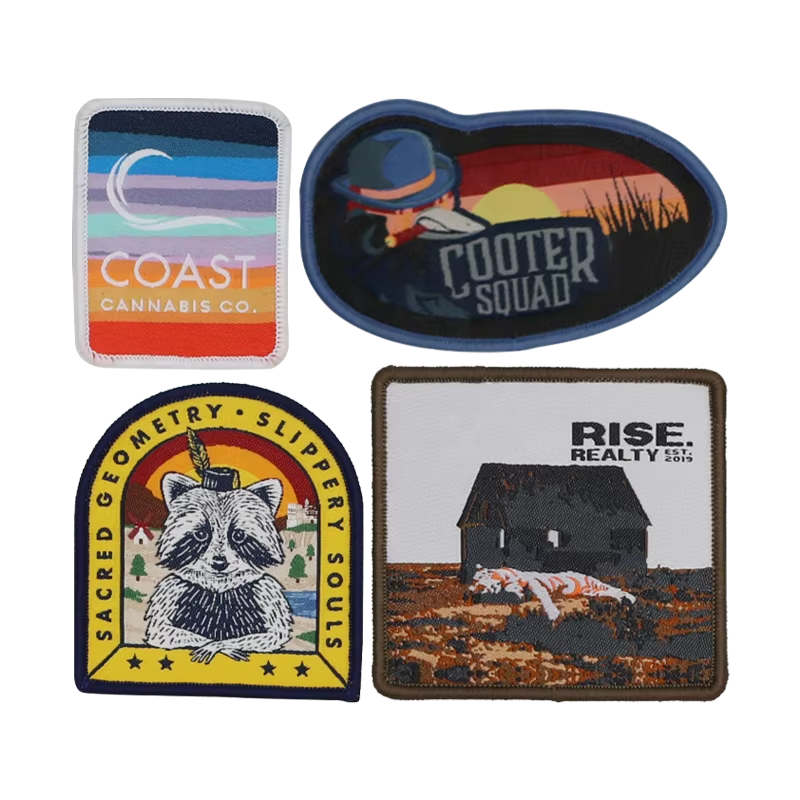
How to Design Custom Embroidered Patches for Brands?
In the modern competitive landscape, a brand's visual identity must be more than just a digital file or a logo on a website. It needs to be physical, tactile, and authoritative. Embroidered patches offer a unique opportunity to bridge the gap between abstract branding and tangible reality. Whether they are applied to high-performance uniforms, heavy-duty equipment, or premium promotional apparel, these patches serve as a persistent statement of professionalism. Designing an emblem that truly captures a brand’s essence is a nuanced process, demanding a sophisticated blend of graphic design skill, material knowledge, and a deep appreciation for the mechanical constraints of textile engineering. For organizations that treat their visual identity as a strategic asset, the design phase is where the foundation for long-term brand authority is laid.
The Geometry of Brand Recognition
The process begins with the critical act of distillation. A complex corporate logo, which might look perfect on a large digital screen, often fails when scaled down to the size of a patch. The goal is to create a visual motif that remains legible even from several feet away. Designers should prioritize bold, clean lines and ensure that there is sufficient contrast between the central motif and the background. High-contrast color schemes are not just an aesthetic choice; they are a functional necessity for clarity. By stripping away extraneous details and focusing on the core symbols of the organization—be it a mark, a symbol, or specific typography—one ensures that the identity survives the transformation from a digital screen to a needle-and-thread reality.
The Material Science of Durability
A patch is only as good as the materials used to build it. When selecting components for a branded emblem, the thread type is paramount. Polyester threads are the industry standard for a reason; they offer exceptional resistance to UV fading, chemical exposure, and mechanical abrasion, making them ideal for the harsh environments where professional uniforms are often worn. Rayon, while known for a softer, more luxurious sheen, must be used strategically. Beyond the thread, the choice of backing—such as heavy-duty twill or resilient heat-seal films—dictates how the patch behaves on the garment. Choosing a robust base material ensures that the badge does not sag, wrinkle, or fray, maintaining a crisp, professional appearance throughout years of continuous service.
Mastering the Digital Blueprint
The most critical—and often least understood—stage of production is digitization. This is the process of mapping a digital graphic into a physical set of instructions for the embroidery machine. A skilled digitizer does more than convert file types; they navigate the complexities of stitch density, needle paths, and thread tension. If the density is too high, the fabric will pucker and lose its structural integrity. If it is too low, the base material will show through, resulting in a cheap, unfinished look. Achieving the optimal zone of density requires both artistic intuition and engineering precision. Ensuring that the design is mathematically optimized for the specific fabric being used is what separates a professional, high-end badge from a poor-quality imitation.
The Rigorous Standards of Quality Assurance
A branded emblem carries the reputation of the organization it represents. Therefore, the production facility must adhere to strict quality control protocols before any item is shipped. Every individual patch must be checked for thread consistency, border tightness, and dimensional accuracy. Small details, such as the edge-finishing or the precision of a laser-cut boundary, serve as the final indicators of quality. Reliable manufacturers view this as a mandatory step in the process, as any inconsistency in the finished product serves as a direct, albeit small, devaluation of the brand’s image. By maintaining these rigorous standards, an organization ensures that its visual identity is consistently projected with absolute clarity and excellence across every application.
Operational Excellence with Awellsgift
Achieving this level of consistency requires working with a manufacturing partner that possesses both deep technical expertise and a disciplined, transparent supply chain. This is where Awellsgift provides a significant strategic advantage. By integrating advanced digital infrastructure with a commitment to high-precision manufacturing, they ensure that the transition from a digital design to a physical product is seamless. For businesses and agencies that treat their visual identity as a fundamental component of their operational reliability, partnering with an expert like Awellsgift is the most effective approach. By focusing on technical consistency and standardizing the manufacturing process, they allow clients to project their identity with confidence, knowing that every badge serves as a durable, professional, and authoritative marker of their commitment to quality.
Cultivating a Lasting Visual Asset
Custom emblems should be viewed as a long-term investment in a brand's visual equity. By prioritizing the technical advantages of well-planned design, high-grade materials, and stringent quality inspection, decision-makers ensure that their organization receives a premium product that withstands the test of time. Ultimately, the choice of a manufacturing partner dictates the long-term success of the visual identity. Selecting proven solutions from experts provides the necessary foundation for a professional, comfortable, and sustainable appearance, ensuring that the standards of the client are maintained with precision for years to come. Through such meticulous planning and professional collaboration, patches stand as true, enduring symbols of institutional excellence and integrity.