EN

Core Design Principles for Clear, Embroidery-Ready Custom Patches
Embroidery-Friendly Element Placement: Connected vs. Isolated Components
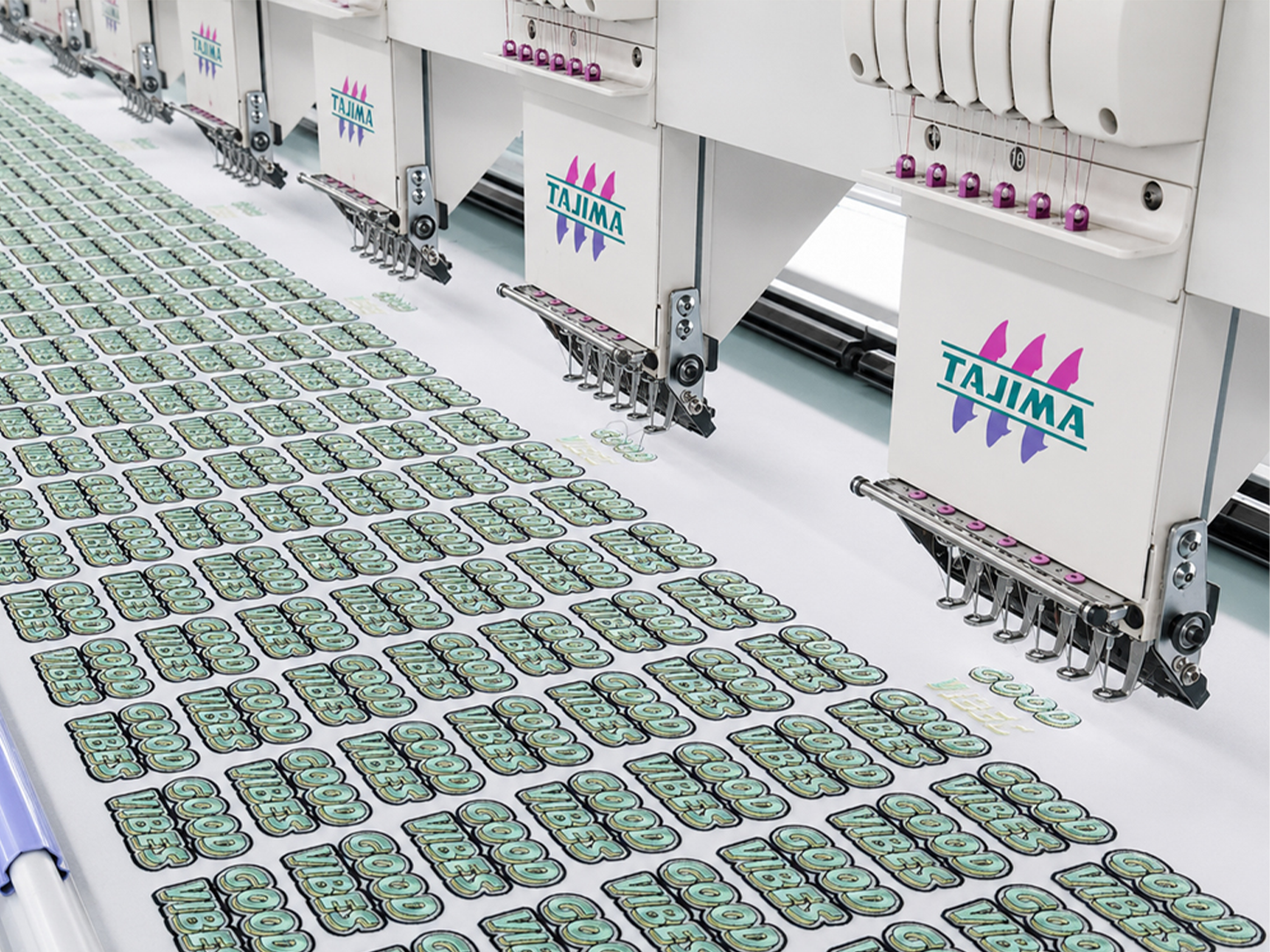
Thread moves in a single, unbroken path during embroidery—so isolated design fragments risk distortion, thread breaks, or weak edges. A custom patch for a team logo performs best when every element connects to something else: a solid background shape, a subtle stitch bridge, or a shared outer boundary. Floating stars, disjointed letters, or tiny standalone accents often lose definition or require extra trims, compromising durability and clarity. Instead, design for continuity. For example, if the logo includes separated rings, run a narrow connecting line behind them—or integrate them into a unified shield outline. This preserves stitch density, prevents thread tension issues, and delivers crisp, wash-resistant edges. Prioritize bold, continuous shapes; remember that on the back of the fabric, isolated stitches have nothing to anchor them. Interconnected components—from the main emblem down to the smallest accent—ensure visual strength endures across seasons of wear.
Color Contrast Best Practices to Ensure Custom Patch Clarity
High contrast isn’t just aesthetic—it’s functional. It determines whether a logo reads instantly on a hat, jacket, or bag. Navy thread on black twill fades into obscurity, while white or gold on the same base delivers immediate legibility. The most reliable rule is simple: pair light thread with dark fabric, and dark thread with light fabric. Limit your palette to six to eight solid, thread-matched colors—gradients and subtle shading vanish under stitches. Allow generous background space around key imagery, and avoid problematic combinations like red on dark green or navy on black, where edges blur. Satin-finish threads reflect light differently, so test high-contrast couplets—such as royal blue and yellow or forest green and white—for maximum legibility at distance. As the Ponemon Institute’s 2023 textile visibility study confirmed, highly contrasting color pairs improve recognition speed by up to 40%, a finding equally relevant to team branding and safety-critical applications.
Minimum Text Size (⅛″) and Legible Typestyles for Team Identity
Embroidery needles create stitches roughly ⅛″ wide—so any letter smaller than that threshold tends to collapse into an indistinct blob. Set team names, mottos, or sponsor text at this minimum height or slightly larger, especially for serif or script fonts that rely on fine strokes. Sans-serif typefaces with uniform weight—like Arial or Impact—hold their shape under stitching and remain readable even at reduced scale. Block uppercase letterforms also resist thread distortion, ensuring “WILDCATS” stays sharp on a small custom patch. If a tagline must be smaller, consider shifting it to a sublimated background or using finer thread—but know that trade-off may reduce long-term durability. Always review a stitched sample before full production; what looks clean on screen can tighten unexpectedly when needles compress the fabric. Clear, readable text reinforces team identity on uniforms and fuels fan recognition across stadiums.
Matching Custom Patch Types to Team Needs and Use Cases
Embroidered, Sublimated, Silicone, Leather, and Chenille: Pros, Cons, and Ideal Applications
Selecting the optimal custom patch type hinges on balancing durability, detail, texture, and cost—each variant excelling in distinct team contexts. Assess your primary use—daily wear, special events, or merchandise—to narrow the choice. The table below summarizes core characteristics to guide your decision.
| Type | Pros | Cons | Ideal Applications |
|---|---|---|---|
| Embroidered | Classic look, durable, high perceived value | Limited fine detail, stiff backing | Team uniforms, hats, and bags |
| Sublimated | Full-color photorealistic detail, soft feel, no thread | Less texture, can fade over time | Jerseys, lightweight performance wear |
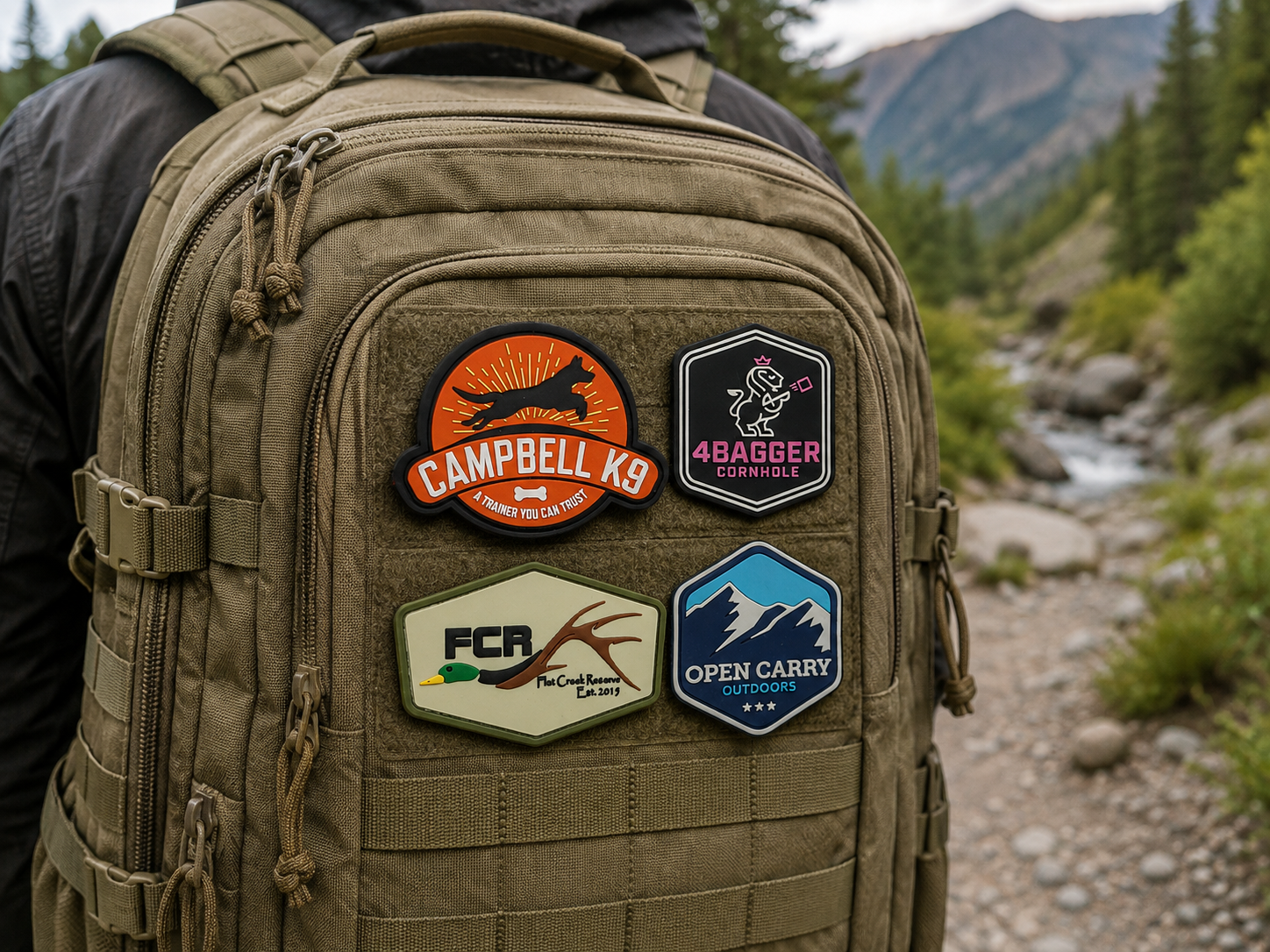
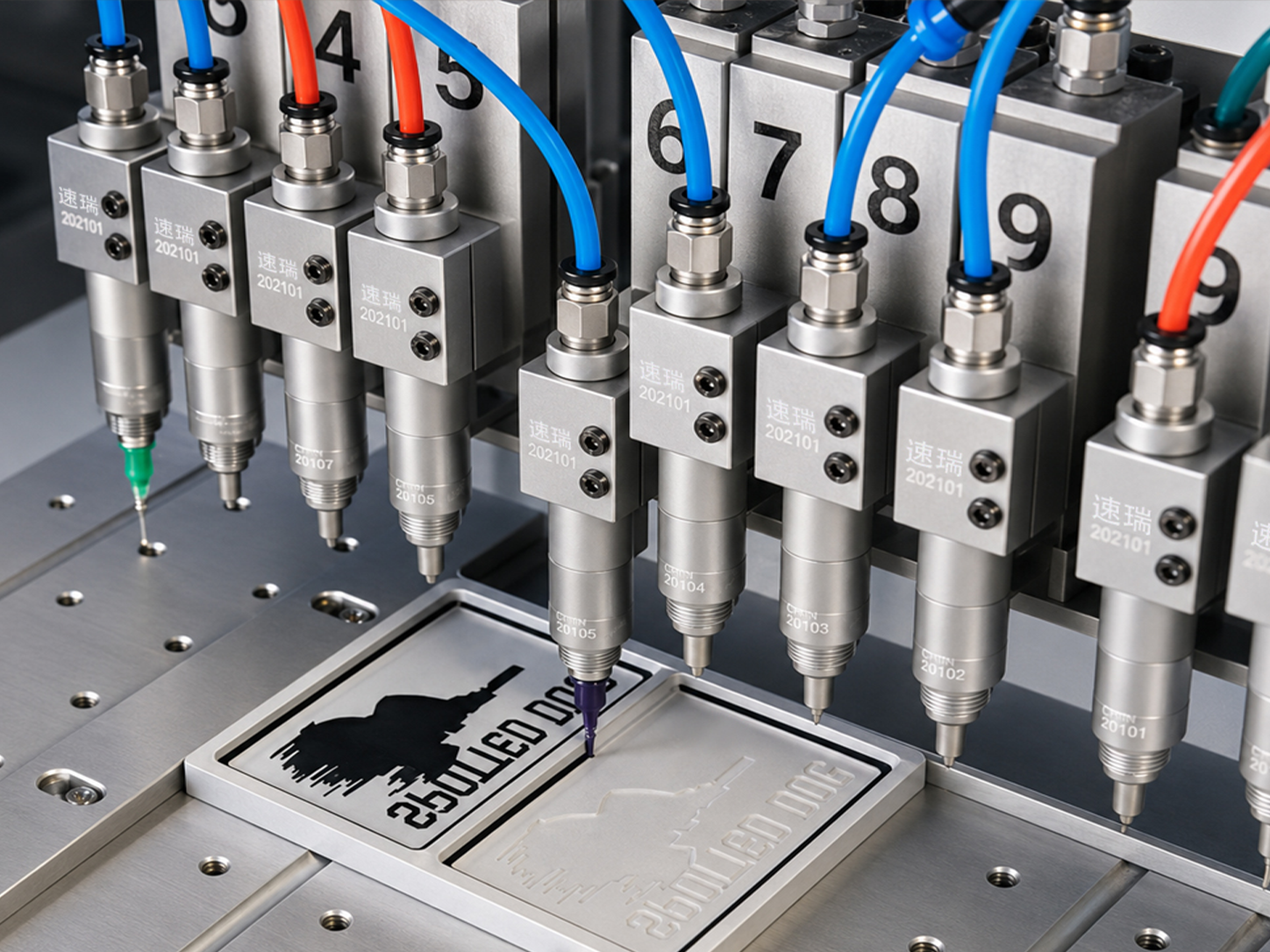
| Silicone (PVC) | 3D effect, weatherproof, flexible, vibrant | Higher cost, limited color gradients | Outdoor gear, athletic bags, morale patches |
| Leather | Premium, sophisticated, molds well to curved surfaces | Fewer color options, heavy | Varsity jackets, formal team accessories |
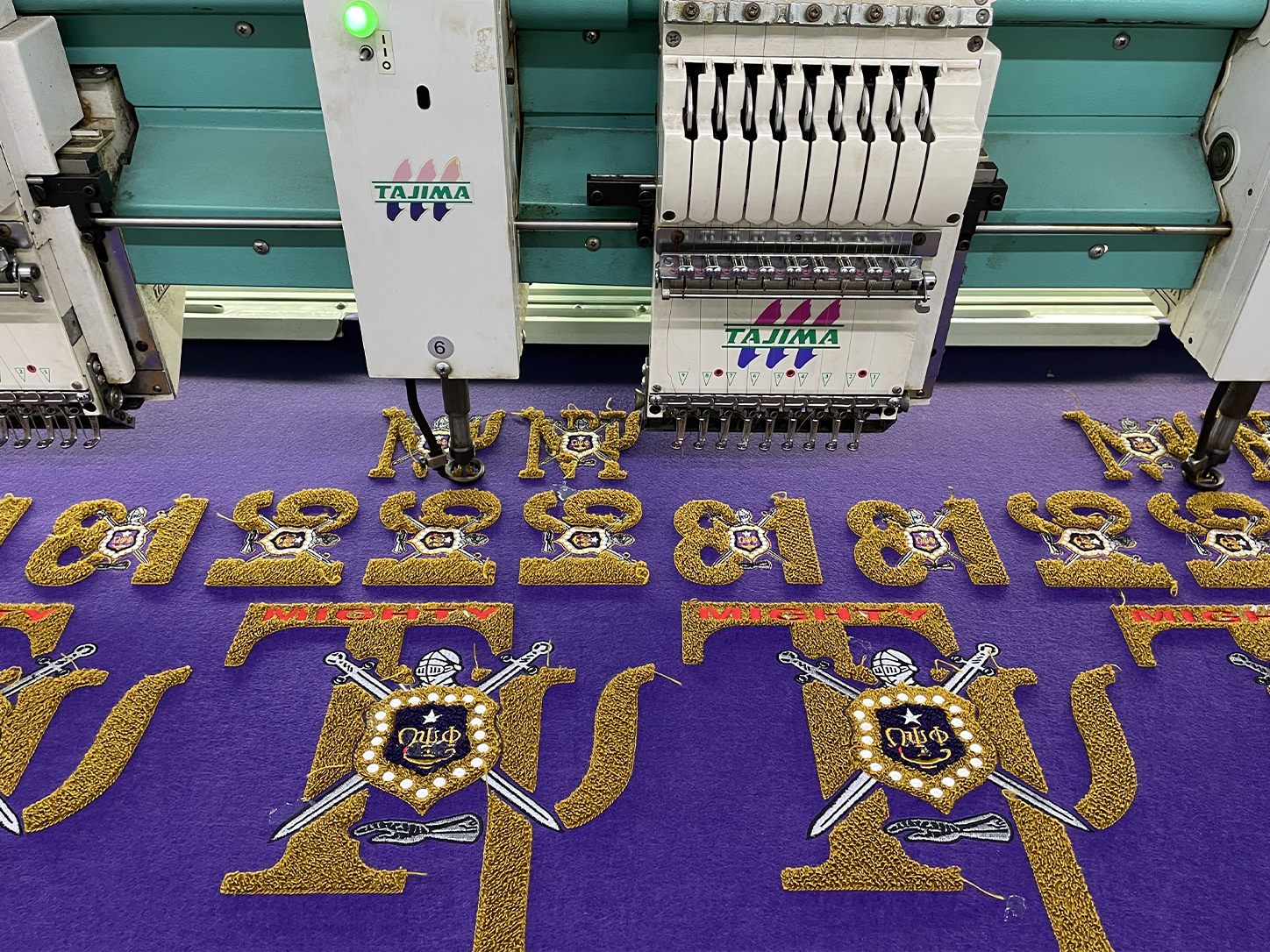
| Chenille | Soft, textured, vintage aesthetic, excellent for bold lettering | Bulky, delicate cleaning | Letterman jackets, school spirit wear |
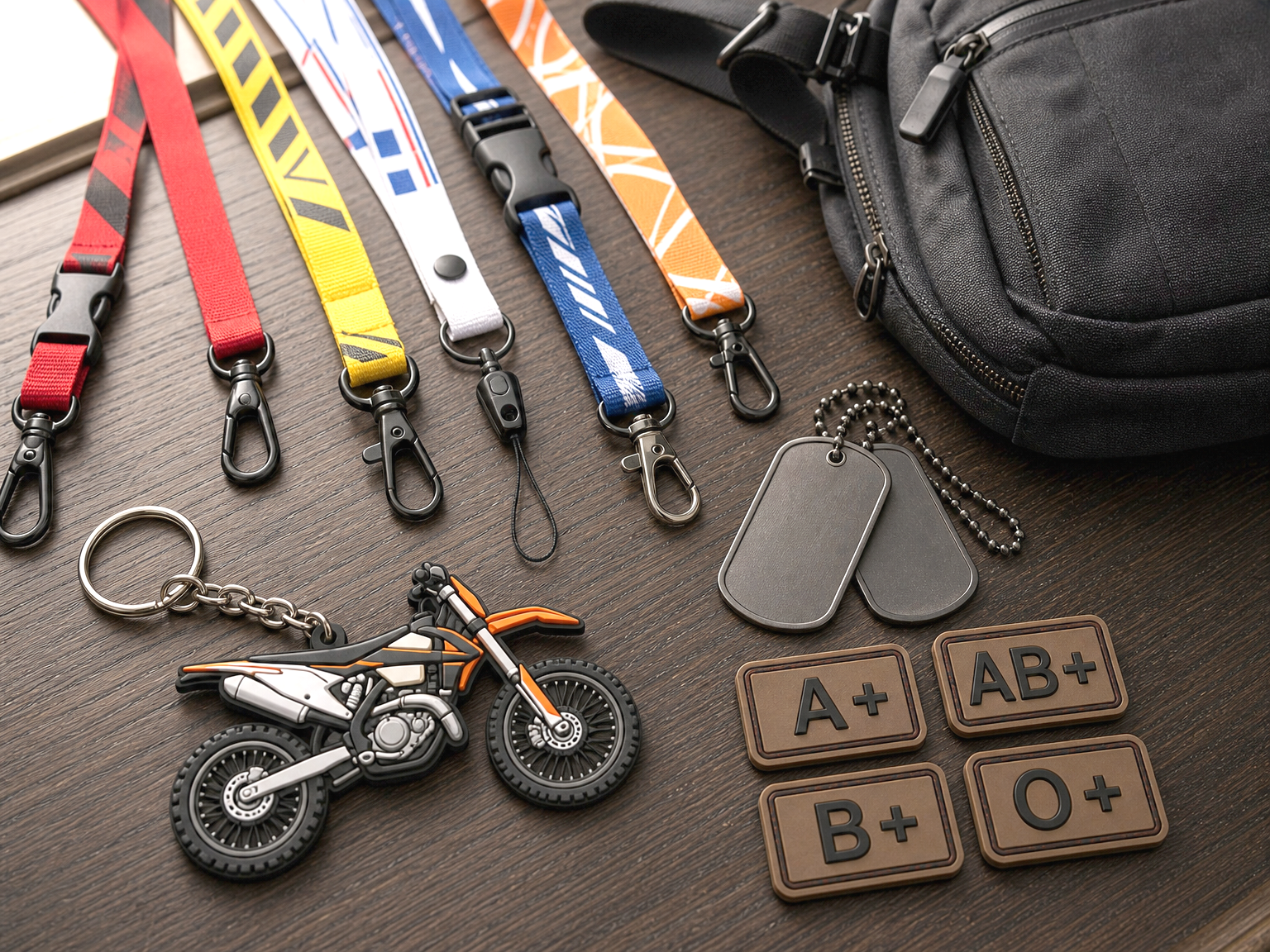
Embroidery remains the gold standard for a classic custom patch that conveys tradition and strength. Silicone offers a rugged, 3D alternative for high-impact, all-weather use. Chenille delivers nostalgic softness ideal for school teams, while sublimation unlocks unlimited design complexity for modern branding. When paired with appropriate backing and attachment methods, any of these styles can elevate a team’s visual identity—ensuring the patch communicates essence and withstands its intended environment.
Strategic Custom Patch Design to Reinforce Team Unity and Brand Recognition
A unified team identity doesn’t happen by accident—it requires intentional, purpose-driven design. A custom patch acts as a visible contract of shared purpose, and its visual strategy must communicate that instantly. Research from Deloitte (2024) shows more than 70% of individuals cite a sense of belonging as a top driver of engagement—making the patch not just decorative, but psychologically functional.
Bold Visual Elements and Symbolic Imagery That Strengthen Shared Identity
Muted details disappear on fabric. A custom patch demands aggressive visual hierarchy: prioritize high-contrast silhouettes and one dominant symbol over complex scenes. A stylized mascot, geometric shield, or abstract mark scales reliably—unlike faces or landscapes, which lose fidelity at distance or small sizes. This iconic approach ensures the patch reads clearly on a moving sleeve or across a crowded room. Every element must justify its space; eliminate background clutter to amplify the core symbol. That restraint transforms a simple accessory into a durable emblem of collective pride.
Optimal Patch Size, Placement, and Customization for Uniforms and Stakeholder Engagement
Standardization fails when it ignores context. A custom patch program undermines morale if the artifact overwhelms the uniform—or vanishes on oversized jackets. The following table aligns patch dimensions with typical applications to ensure balanced visibility:
| Placement Context | Recommended Width (inches) | Impact on Perception |
|---|---|---|
| Left Chest / Breast Pocket | 3.0 to 3.5 | Professional, individual recognition |
| Sleeve / Shoulder | 2.5 to 4.0 | Operational, unit-level identity |
| Back / Large Event Jacket | 4.0 to 10.0 | Promotional, group-wide cohesion |
For stakeholder engagement, introduce collectible variants—annual edition colors, milestone-specific symbols, or role-based insignia. This deepens long-term connection without altering the core uniform, allowing individuals to express personal journey while reinforcing group consistency.
FAQ
What should I consider when designing embroidery-ready custom patches?
Focus on connected design elements, high contrast for clarity, and minimum text size (⅛″). Ensure elements like letters and accents are unified for durability and readability.
Which custom patch type is best-suited for team uniforms?
Embroidery is the most classic and durable choice for team uniforms. Sublimated patches are great for full-color designs, while silicone patches provide rugged, weatherproof options.
How does patch size affect its visual impact?
Patch size should be context-driven. For example, left chest patches should measure about 3.0 to 3.5 inches for professional impact, while back patches can go up to 10.0 inches for promotional purposes.
What colors work best for clear patch designs?
High-contrast color combinations like dark thread on light fabric or light thread on dark fabric work best. Avoid blending colors such as red on dark green.
How do collectible patch variants enhance team and stakeholder engagement?
Annual editions, milestone-specific symbols, or role-based insignia strengthen connection by allowing self-expression while maintaining group consistency.