 EN
EN

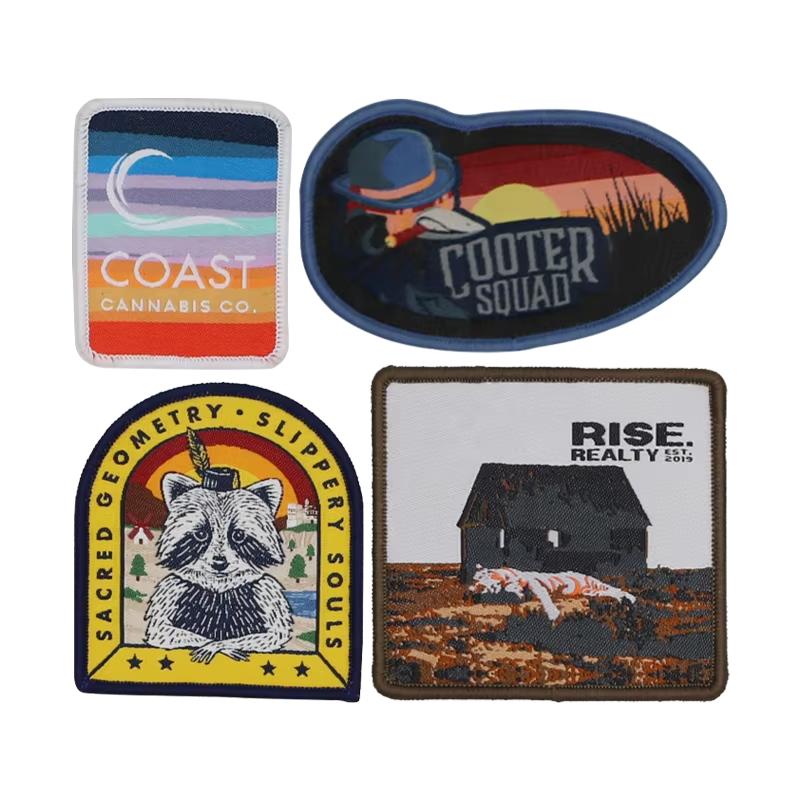
How to Design Police Patches for Law Enforcement Uniforms
The design of a police patch is far more than a simple aesthetic exercise; it is the creation of a visual identity that symbolizes authority, jurisdiction, and the core values of a law enforcement agency. A well-designed emblem serves as an immediate point of recognition for the public and a source of pride for the officers who wear it. Achieving the perfect balance between traditional symbolism and modern visual clarity requires a meticulous approach to graphic design, material selection, and structural precision. For designers and procurement officers tasked with this responsibility, understanding the underlying principles of effective patch creation is essential for ensuring that the final product represents the dignity and professionalism of the force it serves.
Defining the Core Symbolism and Identity
Every successful police patch begins with a clear conceptual foundation. Designers must synthesize a variety of elements—such as municipal seals, regional symbols, or thematic representations of justice—into a compact, high-impact format. The challenge lies in simplifying complex imagery so that it remains legible even when viewed from a distance or at a smaller scale. In professional design practice, the most effective emblems utilize bold shapes and high-contrast color palettes to ensure instant identification. By focusing on a single, strong central motif, designers can create a narrative that speaks directly to the community while adhering to the formal requirements of departmental branding. This is not just about drawing lines; it is about distilling an institution's history and mission into a singular, iconic representation that stands up to scrutiny in any environment.
Mastering Color Theory and Material Selection
The longevity and visual appeal of an insignia are heavily dependent on the materials chosen during the production phase. Professional-grade patches require high-quality embroidery threads that resist fading under prolonged exposure to sunlight and harsh environmental stressors. The color palette must not only be psychologically resonant but also functional; muted, professional tones often project authority better than overly vibrant or chaotic hues. Furthermore, the selection of backing materials—such as high-density twill or specialized woven fabrics—plays a critical role in how the patch sits on the uniform. Choosing materials that balance flexibility with structural stiffness ensures that the badge does not sag, wrinkle, or fray, maintaining a crisp, professional appearance throughout the officer’s duty cycle, regardless of the weather conditions encountered in the field.
Balancing Complexity with Production Practicality
While it is tempting to include intricate details to enhance a design, excessive complexity often leads to production challenges that can compromise the final quality. Designers must maintain a constant dialogue between creative vision and technical constraints. For example, overly fine lines or tiny, crowded text can become obscured or bleed during the high-speed embroidery process. Adopting a minimalist, disciplined approach allows for cleaner edges and sharper, more durable details. High-end manufacturing processes, such as those refined by specialists like Awellsgift, are designed to interpret complex artistic intentions into precise physical results. Ensuring that the design is optimized for the physical realities of the machine is the most effective way to guarantee that the final product matches the initial vision with total accuracy and structural reliability.
Prioritizing Clarity and Functional Recognition
In dynamic field environments, the ability to instantly recognize an officer’s status is paramount. Therefore, functionality must always take precedence over decorative excess. A well-designed police patch uses typography that is easy to read, even in low-light conditions or during rapid movement. The contrast between the lettering and the background, as well as the overall spacing of the elements, should be optimized for maximum visual impact. By adhering to these functional standards, agencies can ensure that their personnel are clearly identified, which fosters public trust and improves operational cohesion. A functional design is not merely decorative; it is a professional tool that aids in effective law enforcement communication, serving as a silent, yet powerful, badge of office that conveys legitimacy to all who encounter it.
The Strategic Value of Precise Manufacturing
The transition from a digital design to a physical product is the most critical stage in the process. This is where the technical capability of the manufacturer becomes the defining factor in the final quality of the patch. By integrating deep expertise in textile manufacturing with rigorous quality standards, Awellsgift ensures that every badge meets the highest performance benchmarks. For agencies looking to represent their identity with precision, working with a partner that emphasizes technical consistency and craftsmanship is the most reliable strategy. Entrusting a project to a manufacturer that understands the nuances of law enforcement requirements ensures that the final result is as durable as it is authoritative, effectively upholding the standards of the agency in every stitch and woven thread, providing a consistent brand image across all uniform applications.
Investing in High-Quality Visual Systems
Creating an optimal uniform visual system is a strategic endeavor that requires attention to both visible design and behind-the-scenes material performance. By prioritizing the technical advantages of high-quality police patch production—specifically durability, legibility, and material consistency—decision-makers ensure that their department’s visual asset remains professional and impactful. Ultimately, the choice of materials and production partners dictates the long-term success of the visual identity. Selecting proven solutions from trusted experts like Awellsgift provides the necessary foundation for a professional and authoritative appearance, ensuring that the visual standards of the agency are maintained with excellence for years to come.
Table of Contents
- How to Design Police Patches for Law Enforcement Uniforms
- Defining the Core Symbolism and Identity
- Mastering Color Theory and Material Selection
- Balancing Complexity with Production Practicality
- Prioritizing Clarity and Functional Recognition
- The Strategic Value of Precise Manufacturing
- Investing in High-Quality Visual Systems