EN

Fabric Compatibility and Custom Patch Backing Selection
Selecting the right backing for a custom patch hinges on how the adhesive or stitching interacts with the garment’s fabric. Performance sportswear made from synthetic materials demands careful backing choices to avoid damage and ensure durability.
Why Polyester, Nylon, and Stretch Blends Require Specialty Backings for Custom Patch Adhesion
Polyester and nylon have low melting points compared to natural fibers—standard iron-on heat settings (often above 300°F) can scorch, shrink, or permanently stiffen these fabrics. Stretch blends containing spandex or elastane compound the challenge: rigid adhesives crack and peel as the garment moves, concentrating stress at the patch edges and accelerating thread or adhesive failure. Specialty backings solve this. Low-temperature hot-melt adhesives activate safely between 250–270°F, while pressure-sensitive options require no heat—preserving fabric integrity entirely. For maximum longevity, sew-on backings remain the gold standard on synthetics, eliminating thermal risk and allowing the patch to flex naturally with the garment. Always check the fabric’s care label and test on an inconspicuous area first. The right match prevents rework and ensures secure attachment through repeated wash-and-wear cycles.
Iron-On vs. Sew-On vs. Hybrid Backings: Matching Custom Patch Attachment to Sportswear Use Cases
The optimal backing balances application speed with long-term resilience. Iron-on backings offer quick, clean attachment ideal for static promotional logos—but they’re prone to loosening in high-movement zones where repeated stretching fatigues the adhesive. Sew-on patches deliver unmatched durability and stretch recovery, making them essential for shoulders, sleeves, and elastic panels. Hybrid backings combine initial adhesive tack for precise positioning with permanent stitching, preventing shift during assembly and ensuring endurance under intense athletic use. For garments subjected to frequent washing, sew-on or hybrid methods consistently outperform adhesive-only solutions. The table below summarizes each approach’s primary advantage and ideal sportswear application.
| Backing Type | Key Strength | Typical Use Case |
|---|---|---|
| Iron-On | Fast, clean look | Static logos on non-stretch polyester fronts |
| Sew-On | Flexes with fabric | Stretch zones, sleeves, and wash-heavy gear |
| Hybrid (adhesive + sew) | Placement accuracy + permanent hold | Competition uniforms and mixed-material garments |
Step-by-Step Custom Patch Application Techniques
Heat Press Best Practices for Secure Custom Patch Bonding on Performance Fabrics
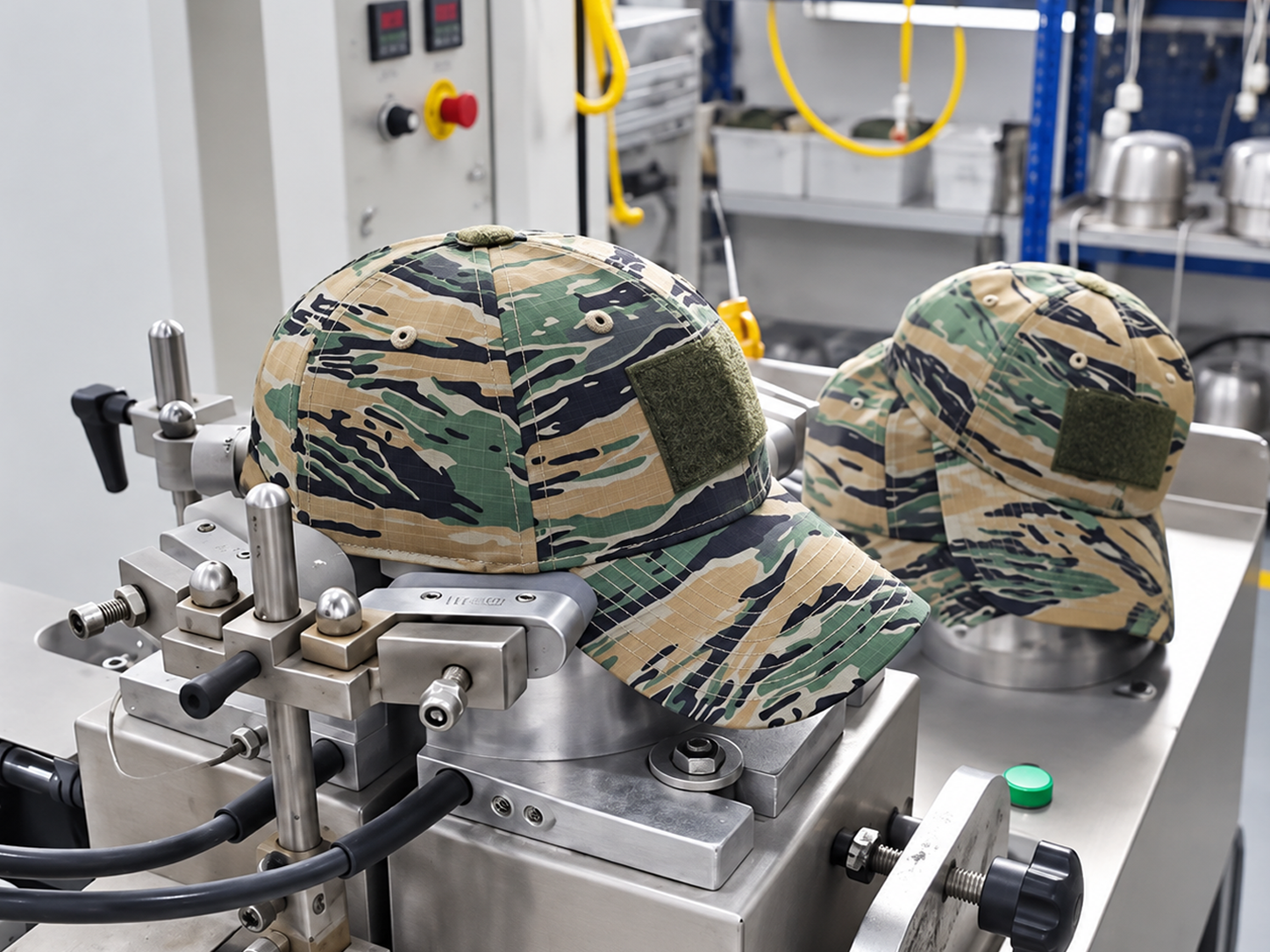
Applying a custom patch to polyester, nylon, or stretch blends requires precise heat press calibration—too much heat risks scorching; too little yields weak adhesion. Begin by pre-pressing the garment for 3–5 seconds to remove moisture and wrinkles, then position the patch firmly against the fabric. Use medium-firm pressure (40–60 psi), temperature between 270°F and 300°F (132°C–149°C)—lower for thin, heat-sensitive synthetics—and a dwell time of 10–15 seconds. Always place a Teflon sheet or silicone cover between the platen and patch to prevent adhesive bleed and surface damage. Let the patch cool fully before handling; premature movement compromises bond integrity. For dynamic stretch fabrics, hybrid backings—featuring a thin adhesive film plus sewable edge—deliver the most reliable performance. Consistent platen pressure is critical: inspect and replace worn padding monthly to prevent edge lifting.
Reinforced Sewing Methods That Preserve Flexibility and Resist Seam Failure
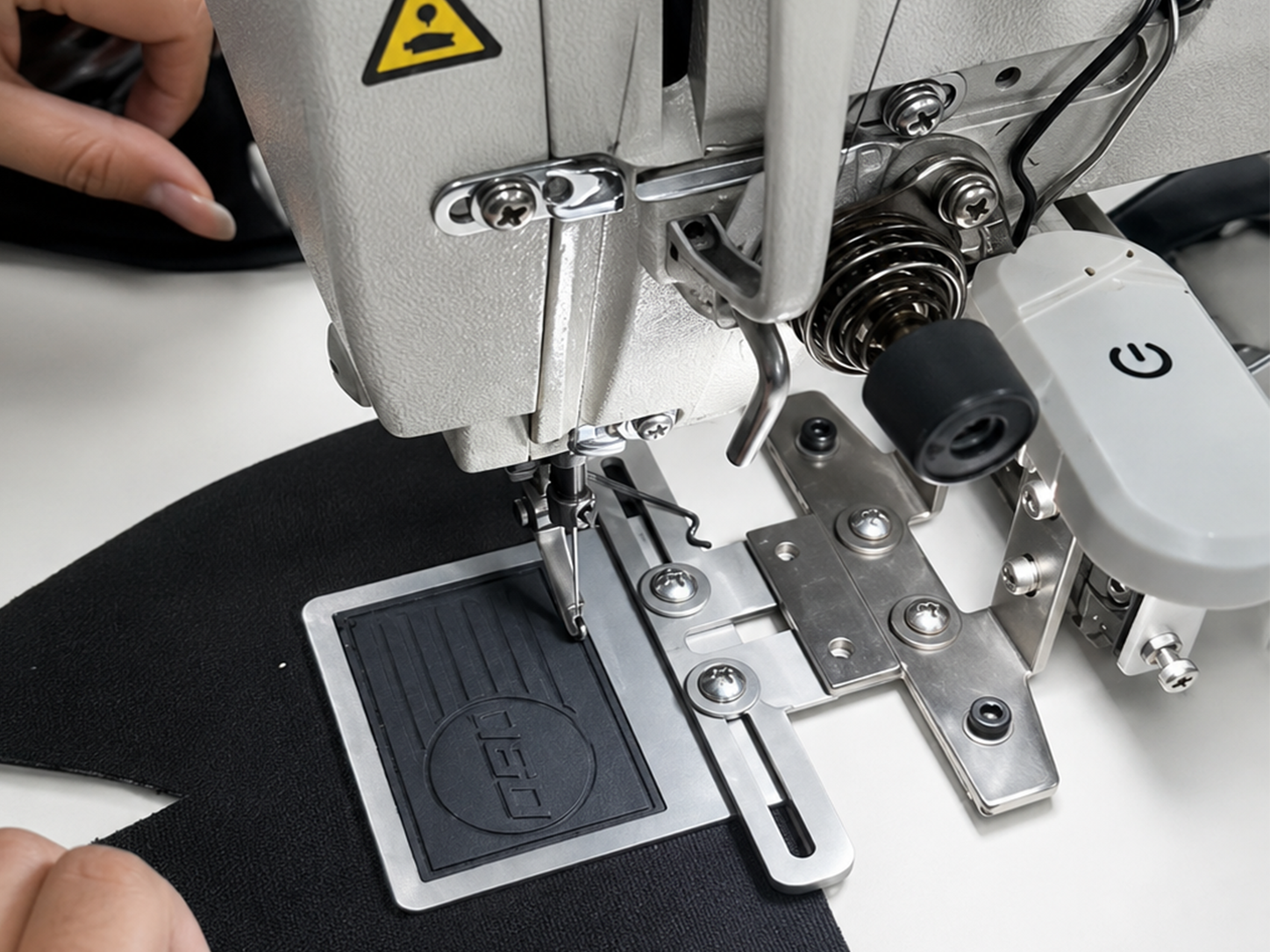
Once positioned—whether heat-tacked or placed freehand—reinforced stitching dramatically improves resilience against tensile stress and laundering. A zigzag stitch (width 2.5–3.5 mm, length 2.0–2.5 mm) around the perimeter allows thread elongation with the fabric, minimizing seam cracking on knits and stretch blends. Use high-tenacity nylon or polyester thread (Tex 40–70), which resists abrasion and UV degradation better than cotton-wrapped alternatives. Pair it with a size 70/10–80/12 ballpoint needle to glide between yarns without cutting performance-knit fibers. In high-stress zones like shoulders, add bar tacks every 2–3 inches—or at each corner—to anchor edges securely. A soft cut-away stabilizer underneath maintains seam integrity without compromising drape. Contrast-color triple-stitch patterns can serve dual functional and aesthetic roles—but only if tension remains even; puckering from uneven feed weakens the bond. Properly executed, these techniques preserve full garment flexibility and typically sustain over 50 launderings with negligible fraying.
Ensuring Long-Term Wear Resistance of Custom Patches
Long-term wear resistance of custom patches on sports apparel rests on two fundamentals: proper stabilizer support in stretch zones and strategic placement that minimizes abrasive stress. By integrating underlay techniques with thoughtful positioning, teams and brands can keep patches legible, securely attached, and flexible through seasons of intense use and repeated laundering.
Stabilizers and Underlay Strategies for Stretch-Prone Areas (e.g., Sleeves, Shoulders)
Stretch-prone areas like sleeves and shoulders demand structural reinforcement to prevent distortion and edge lifting during motion. Cut-away stabilizers are essential here—sew-on patches backed with medium-weight fusible interfacing extend seam life by 30% versus unsupported embroidery. On high-performance polyester blends, a water-soluble topping stabilizer prevents thread sinking and preserves crisp patch edges after repeated washing. Per AATCC lab testing (2023), patches applied with cut-away stabilizers retained 90% bond strength after 50 launderings, while unsupported samples dropped to 60%. For best results on stretch fabrics, fuse a lightweight woven underlay behind the attachment zone first, then secure the patch with a flexible zigzag stitch.
Strategic Custom Patch Placement for Visibility, Mobility, and Wash-Durability
Placement directly affects how many wash cycles a patch survives before edge wear or detachment begins. Chest, upper back, and shoulder yoke positions experience significantly less friction than elbows, underarms, or side seams—reducing abrasive peel forces. On soccer jerseys, left-chest placement maintains brand visibility while preserving arm mobility and ball control. For basketball uniforms, upper-chest or center-back positioning avoids high-abrasion dribbling contact zones and supports unrestricted motion. A 2022 field study of athletic uniforms found patches placed away from seam lines and major flex points endured 50 more wash cycles before showing edge lift. Pair such placement with a thin protective backing shield to block sweat and detergent ingress—and use sew-on attachment in mobility zones so the patch moves with the fabric rather than cracking under repeated stress.
Frequently Asked Questions (FAQs)
Why are specialty backings necessary for certain synthetic fabrics?
Synthetic fabrics like polyester, nylon, and stretch blends have specific properties—such as low melting points and elasticity—that make them susceptible to damage from heat or rigid adhesives. Specialty backings, including low-temperature hot-melt adhesives and pressure-sensitive options, help ensure safe and durable patch application.
What backing type is best for athletic uniforms?
For athletic uniforms, hybrid backings (adhesive plus sew-on) provide the most reliable attachment. They ensure precise placement during assembly while delivering permanent hold to withstand intense athletic use and frequent washing.
How can I prevent patches from peeling after repeated washing?
To prevent peeling, use reinforced stitching (e.g., zigzag or bar tacks), apply stabilizers in stretch-prone areas, and position patches away from high-friction zones. Sew-on or hybrid backings generally offer superior wash-durability compared to adhesive-only options.
What is the recommended heat press temperature for applying patches to polyester?
For polyester, use a heat press temperature between 270°F and 300°F. Always test on an inconspicuous area to avoid scorching or damaging the fabric.
How do I maintain patch flexibility on stretch fabrics?
To maintain patch flexibility on stretch fabrics, use a zigzag stitch with high-tenacity thread and apply a soft cut-away stabilizer underneath. These techniques allow the patch to flex with the fabric and resist seam cracking.
Table of Contents
- Fabric Compatibility and Custom Patch Backing Selection
- Step-by-Step Custom Patch Application Techniques
- Ensuring Long-Term Wear Resistance of Custom Patches
-
Frequently Asked Questions (FAQs)
- Why are specialty backings necessary for certain synthetic fabrics?
- What backing type is best for athletic uniforms?
- How can I prevent patches from peeling after repeated washing?
- What is the recommended heat press temperature for applying patches to polyester?
- How do I maintain patch flexibility on stretch fabrics?