 EN
EN

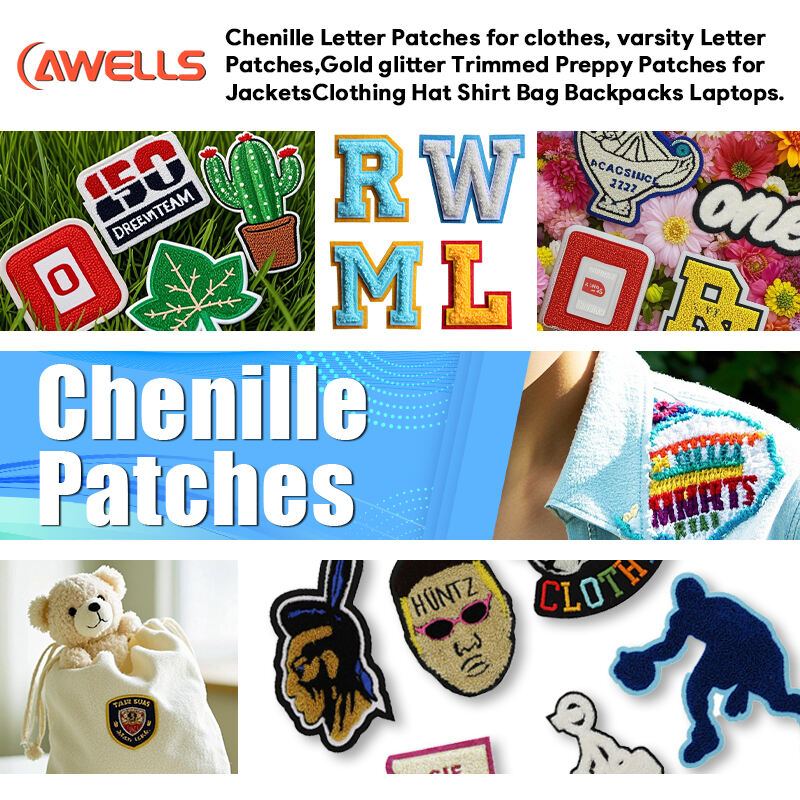
Aesthetic and Design Advantages of Chenille Patches in Fashion
Elevating Visual and Tactile Appeal with Chenille Patches
What makes chenille patches so special in the world of fashion? Well, they have this really nice softness to them because of how the yarn is made with loops instead of being flat. The result feels kind of like walking on a thick carpet, which gives clothes an extra layer of comfort. People love how these patches look too since they add depth and warmth when touched. When applied to clothing, the raised part stands out against the background fabric, drawing attention right away. That's why designers often choose chenille for statement pieces or anywhere they want something eye catching rather than something subtle. Think about those cool jackets with big logos or patches that pop off the garment – that's usually chenille at work.
Creative Applications in Fashion: Monograms, Logos, and Seasonal Collections
From vintage denim jackets to runway-ready outerwear, chenille patches offer versatile embellishment across styles. They are especially effective for:
- Branding: Oversized logos on hoodies or sleeve accents
- Personalization: Monogrammed initials on handbags or hats
- Seasonal themes: Florals for spring or holiday motifs on scarves
Leading manufacturers have reported a 34% increase in demand for street wear decorated with chenille since 2022, thanks to Generation Z's love for nostalgic and expressive aesthetics.
Achieving a Professional and Premium Look on Garments
When applied via heat press, chenille patches maintain crisp edges through 40+ wash cycles—ideal for luxury athleisure and corporate uniforms. Their matte sheen pairs elegantly with leather trims or metallic threads, delivering high-end finishes without the recurring costs of screen printing.
Chenille Patches for Team Identity and Institutional Apparel
Symbolizing Unity, Pride, and Achievement in Sports and Schools
Chenille patches are now pretty much standard for showing school spirit, with around two thirds of American high schools incorporating them into their sports programs according to the National School Apparel Report from last year. The soft, raised fabric gives these patches real substance as symbols of accomplishment, often appearing on those coveted varsity letters, championship trophies, and milestone recognition items for clubs. When compared against regular flat embroidery work, the fluffy texture of chenille just feels more meaningful somehow. It connects better with traditions that matter to students and helps build stronger bonds within teams and organizations across the country.
Common Uses: Letterman Jackets, Uniforms, and Spirit Wear
Chenille excels in high-visibility institutional wear:
- Athletic wear: Durable yarn withstands rough use and frequent laundering
- Academic regalia: School crests and mascots retain vibrancy over time
- Spirit gear: Bold designs on hoodies and caps unify fans at events
The combination of resilience and prestige makes chenille a top choice for long-lasting team apparel.
Customization Options for School Emblems and Athletic Recognition
Schools have the option to personalize chenille patches that really capture their brand identity, right down to every last stitch. They can go all out with intricate logos or keep things simple with small monogram designs in those signature school colors. When it comes to sports teams, there are plenty of ways to make those patches stand out. Think about adding fancy gradient edges or shiny metallic threads that make player numbers pop and position tags look professional. The contrast matters too. Something like dark blue against bright gold makes sure everyone can see what's written even from across the field. And don't worry about smaller sizes either these mini versions work great on hats and sleeve patches without looking lost or awkward.
Durability and Long-Term Performance of Chenille Patches
Chenille patches combine strong visual presence with impressive resilience, suitable for everyday wear. Their layered build resists friction and movement stress, while UV-resistant yarns help prevent fading in sun-exposed environments.
Withstanding Frequent Wear and Repeated Washing
High-quality chenille patches retain their texture through 40–50 standard wash cycles when properly attached. Care tips include:
- Turning garments inside-out before washing
- Using cold water and gentle detergent
- Avoiding high-heat drying
Dense stitching prevents unraveling, and bonded backings reduce edge fraying. Cotton twill offers optimal adhesion, though testing on polyester or nylon blends is recommended for reliability.
Comparing Adhesion Methods: Sew-On, Heat Press, and Iron-On Longevity
| Method | Expected Lifespan | Ideal Use Cases | Maintenance Needs |
|---|---|---|---|
| Sew-On | 5+ years | Heavy-use jackets, bags | Reinforce stitches annually |
| Heat Press | 2–3 years | Uniforms, performance wear | Reapply adhesive yearly |
| Iron-On | 6–12 months | Seasonal designs, youth sizes | Avoid machine washing |
Sew-on provides permanent security, heat-activated bonds suit curved surfaces like hats, and iron-on options work well for temporary customization but degrade faster with regular washing.
Application Techniques and Best Practices for Maximum Impact
Choosing the Right Method: Sewing, Heat Pressing, and Adhesive Backing
Choosing the right application method really comes down to what kind of fabric we're dealing with, how it will be used, and how long we want it to last. When it comes to lasting power, sewing is hard to beat. A recent textile study from 2024 found that patches sewn on stayed intact at around 97% after going through fifty wash cycles. For those working with polyester blends, heat pressing gets the job done pretty well too. Most folks find success with temperatures between 300 and 325 degrees Fahrenheit applied for about twelve to fifteen seconds straight. Lightweight materials often work best with adhesive backings, though these might need some extra support if they'll be washed regularly. Just something to keep in mind when planning out our projects!
Ensuring Compatibility With Different Fabric Types
Testing how well things stick to fabric samples first is pretty much essential before going all out. Delicate fabrics such as rayon and silk need special attention since they tend to get messed up when exposed to temperatures over around 280 degrees Fahrenheit. When working with thicker stuff like fleece or canvas, throw in a Teflon sheet between the iron and fabric to keep those pesky burn marks at bay. Also worth remembering that threads and backing materials shouldn't just look good together but actually work with how the finished piece needs to be cared for. Take dry clean only garments for instance, sewing them instead of relying on adhesive makes way more sense in the long run.
Strategic Placement on Apparel for Visual and Branding Impact
Position patches for maximum visibility and comfort:
- Upper sleeves or collars for corporate uniforms
- Center back of varsity jackets for team identity
- Front pocket area of polos for subtle branding
Align placements with natural seams to prevent puckering, and use temporary fabric tape to preview layouts before permanent attachment.
FAQ Section
What are chenille patches?
Chenille patches are decorative elements made from chenille yarn, known for its soft, plush texture. They are used to add aesthetic appeal and tactile depth to clothing and accessories.
Why are chenille patches popular in fashion?
Chenille patches are favored for their unique texture that adds visual and tactile interest to garments. Designers often use them for statement pieces due to their ability to stand out against fabric backgrounds.
How durable are chenille patches?
Chenille patches are highly durable, capable of withstanding 40-50 wash cycles when properly attached. They are resistant to friction and fading when made with high-quality materials.
What are common uses for chenille patches in schools?
In educational settings, chenille patches are used on letterman jackets, uniforms, and spirit wear to symbolize school pride, achievement, and team unity.