 EN
EN

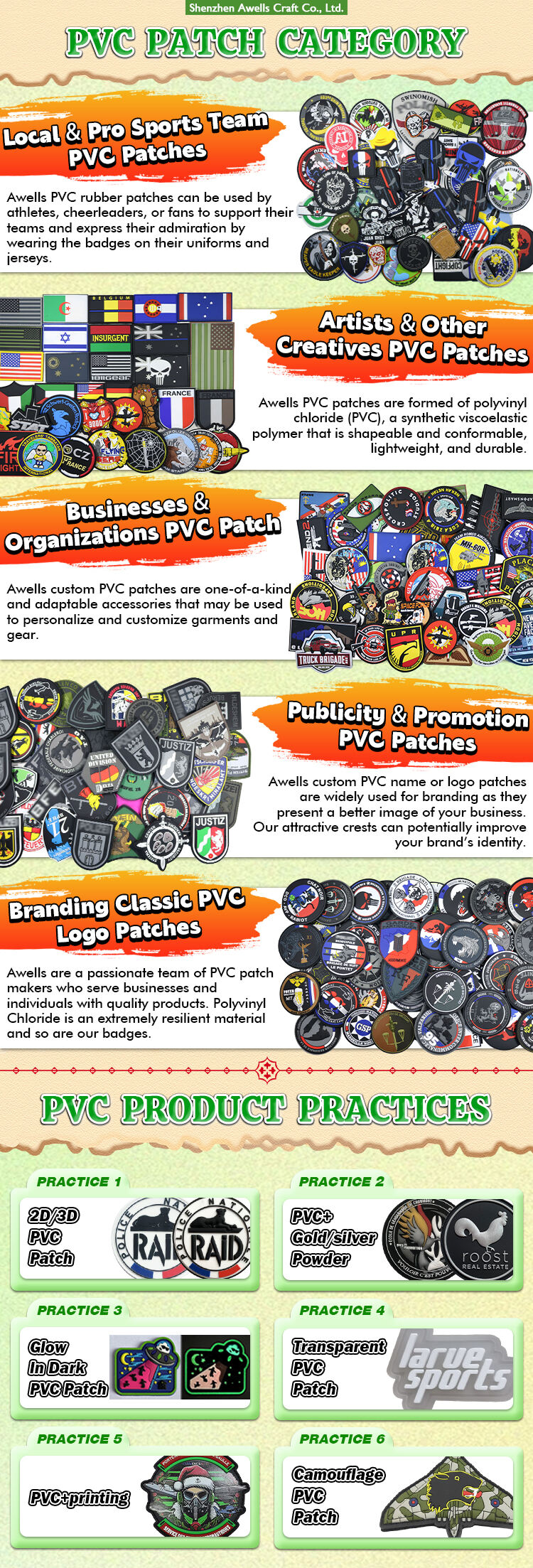
What Are 3D Rubber Patches and Why Are They Popular?
Definition and Growing Demand for Rubber Patch 3D Effects
Three dimensional rubber patches are those cool, textured badges made by stacking materials such as PVC or silicone on top of each other for that extra pop of depth. The market for them has really taken off since around 2022 growing something like 40 percent in sectors like fashion wear, military gear, and outdoor apparel because they last longer and let brands get creative with detailed textures people can actually feel. These aren't your basic flat stickers either. Manufacturers create all sorts of interesting shapes and depth effects using special molds which makes them stand out even when lighting is poor or someone glances at them quickly while hiking through rough terrain.
Visual and Tactile Advantages of 3D Rubber Patches
When looking at 3D rubber patches, the way they're built layer by layer actually makes them play with light and shadows in interesting ways. This gives logos that three dimensional look when viewed from different directions, something flat embroidery just can't match. The rough texture also helps things stick better to athletic wear and equipment without slipping around during activity. For those concerned about outdoor performance, PVC versions stand up much better to rain, sun exposure, and general wear than regular embroidered patches do. A recent test back in 2023 showed these patches kept most of their bright colors even after being rubbed against surfaces over 500 times. That kind of staying power matters a lot for teams and brands wanting their markings to last through seasons of heavy use.
Comparing 2D vs. 3D Rubber Patch Aesthetics and Impact
- Visual Depth: 2D patches flatten under shadow, whereas 3D designs emphasize edges through natural shading.
- Brand Recall: Textured 3D patches boost recognition by 27% over flat alternatives (Packaging Digest 2023).
- Cost Efficiency: While 2D works for simple graphics, 3D delivers higher perceived value for premium branding.
| Feature | 2D Rubber Patch | 3D Rubber Patch |
|---|---|---|
| Depth | Flat surface | 0.5–3 mm raised layers |
| Customization | Limited to color/text | Multi-level molding |
| Durability | Prone to edge peeling | Resists bending/cracking |
This shift reflects a growing preference for tactile marketing, where dimensional branding drives stronger consumer engagement than flat visuals.
PVC Materials and Their Role in Creating Durable 3D Rubber Patches
Most 3D rubber patches rely on PVC or polyvinyl chloride because it strikes just the right balance between being flexible enough yet strong enough for durability. When manufacturers use injection molding techniques with PVC material, they can actually get those really detailed textures down to around 0.3 millimeters without losing color consistency throughout big production runs. The latest Textile Durability Report from 2024 shows something interesting too PVC based patches keep about 98 percent of their original stretch and color even after sitting under UV light for over 500 hours straight. That makes them much better suited for things like outdoor gear compared to regular fabric backed options, especially when talking about equipment used in harsh environments like military operations or marine settings where weather resistance matters a lot.
Rubber vs. PVC: Flexibility, Durability, and Finish Comparison
Natural rubber can stretch way more than PVC does, about 300% compared to just 150%. That makes it really good for things that need to bend around curves, such as motorcycle helmets or protective gloves. On the flip side, PVC weighs about 40% less than rubber, so when manufacturers want to build layers into clothing without making them too thick or heavy, they often go with PVC instead. Looking at recent research from polymer scientists, we find that PVC stands up against oil and chemical solvents three times better than regular rubber materials. Still, there's no denying rubber has its strengths too, especially when it comes to absorbing impacts. This property is super important for safety gear used in industries where workers face constant knocks and bumps during their daily tasks.
Silicone Alternatives: When to Use 3D Silicone Logos Instead of Rubber
Silicone works great even when things get really hot or cold. It can handle temperatures all the way up to around 302 degrees Fahrenheit (that's about 150 Celsius) and is approved by the FDA for touching food stuffs. The material comes in different hardness levels from pretty soft at 20 Shore A right up to much firmer at 80 Shore A. This makes it ideal for creating comfortable wearable devices where skin contact matters. Plus manufacturers have gotten really good at making silicone look and feel like regular rubber thanks to improved molding techniques that capture those familiar matte textures. Some tests done in aerospace environments showed something interesting too silicon actually gets rid of heat about 25 percent better than standard rubber does. No wonder we see it popping up everywhere from electronic gadgets to machines that run super hot these days.
Design and Engineering Techniques for 3D Rubber Patch Depth
Layering and texturing methods to enhance 3D rubber patch dimensionality
Strategic layer stacking enables depth up to 3mm in rubber patches. Techniques like laser etching and chemical embossing add micro-textures that intensify shadow contrast, enhancing the perception of dimension. A 2023 material engineering study found these methods improve visual recognition by 47% compared to flat designs.
Design preparation for embossing, engraving, and multi-level molding
Before production, 2D artwork is converted into elevation maps that define height variations across the patch surface. CAD software simulates mold interactions to ensure features such as raised logos or recessed borders maintain structural integrity during manufacturing.
Customization limits and possibilities in 3D rubber patch design
Modern tooling supports 0.2mm detail precision, but practical constraints apply:
- Minimum 0.5mm wall thickness between raised elements
- Maximum 6:1 height-to-width ratio for protrusions
- Limited color blending in multi-level sections
These guidelines preserve durability while enabling complex geometries and gradient effects.
Role of CNC machining in mold creation for precise 3D shapes
Computer Numerical Control (CNC) machining produces aluminum molds with ±0.005" tolerances, supporting intricate details including micro-textured backgrounds, multi-axis undercuts, and graduated elevation changes. This precision reduces post-production defects by 62% compared to conventional mold-making, based on industry benchmark data.
Manufacturing Process: From Mold to Finished 3D Rubber Patch
Injection Molding Process for Consistent 3D Rubber Patch Production
When it comes to producing those 3D rubber patches in volume, injection molding really delivers consistent results. The whole thing begins with a mold made using CNC machining technology, which basically sets the blueprint for what the finished product will look like both in shape and surface details. Then comes the actual material work where either liquid rubber or PVC gets forced into the mold cavity while applying heat and pressure until it hardens properly. What makes this approach so valuable? Well, most manufacturers find that there's barely any difference between parts from different production runs typically less than 1% variation. That kind of consistency matters a lot when companies need thousands of identical components for their applications.
Coloring, Curing, and Finishing Techniques in 3D Patch Manufacturing
Pigments are blended into the base material before injection to achieve Pantone-accurate colors. After molding, patches undergo vulcanization at 160–180°C (320–356°F) to strengthen molecular bonds. Final steps include laser trimming excess flash, polishing edges for tactile clarity, and applying functional backings such as adhesive or Velcro.
Controlling Thickness, Depth, and Surface Texture in Custom Runs
Key dimensional controls:
- Thickness: Set via mold cavity depth (typically 0.5–5.0 mm)
- 3D Depth: Achieved through multi-layer molding, supporting up to 4 mm relief
- Texture: Mold surfaces are chemically etched or sandblasted to create matte, glossy, or gradient finishes
Tolerances of ±0.15 mm ensure design consistency across production runs.
Quality Assurance and Consistency in Mass-Producing Rubber Patches
Automated vision systems inspect every patch for defects like air pockets or color inconsistencies. Stress tests validate peel strength (>4.5 N/cm²) and wash resistance (50+ cycles). For military-grade specifications, patches endure extended UV exposure trials to confirm five years of outdoor color stability.
Applications and Industry Use Cases for 3D Rubber Patches
Fashion, Military, and Outdoor Gear: Where 3D Rubber Patches Excel
The world of 3D rubber patches really takes off in industries where practicality blends with looks. Take outdoor gear for instance. According to some recent testing published by Field & Stream back in 2023, these rubber and silicone logos can stick around about 65 percent longer when exposed to those brutal subzero temps down at -40 degrees Fahrenheit plus all that harsh UV radiation compared to regular old emblems. The military has caught onto this too. Their guys actually prefer the textured rubber badges because they stand out better in dim lighting conditions and provide a much firmer grip on their gear during operations. Fashion designers are getting creative with it as well. Some high end brands have started incorporating thick rubber layers into their designs almost like pieces of wearable sculpture. One particular example was this motorcycle jacket inspired by Balmain with an 8mm thick rubber accent panel that completely sold out in just three days despite costing nearly three grand.
Branding With 3D Silicone and Rubber Logos in Corporate Promotions
Smart marketers are getting creative with 3D patches these days, transforming ordinary promo stuff into something people actually remember. Some recent research from last year found that products with embossed logos stuck in consumers minds about 37 percent better than regular flat ones sitting on shelves. We're seeing tech companies order up all sorts of 3D silicone QR code patches too. These little gadgets double as waterproof warranty tags while still showcasing their brand. Take Coca Cola Europe for instance. They tried out those cool rubber covered cooler bags at music festivals and what happened? Follow up checks revealed nearly 9 out of 10 folks remembered the campaign even weeks after the event ended. That's way ahead of the usual printed merch which barely makes an impression.
Table of Contents
-
What Are 3D Rubber Patches and Why Are They Popular?
- Definition and Growing Demand for Rubber Patch 3D Effects
- Visual and Tactile Advantages of 3D Rubber Patches
- Comparing 2D vs. 3D Rubber Patch Aesthetics and Impact
- PVC Materials and Their Role in Creating Durable 3D Rubber Patches
- Rubber vs. PVC: Flexibility, Durability, and Finish Comparison
- Silicone Alternatives: When to Use 3D Silicone Logos Instead of Rubber
- Design and Engineering Techniques for 3D Rubber Patch Depth
- Manufacturing Process: From Mold to Finished 3D Rubber Patch
- Applications and Industry Use Cases for 3D Rubber Patches