EN

Foam Density Selection and Dimensional Layering Mechanics
Designing high-impact 3D custom embroidery patches requires a deep understanding of foam density and thread layering physics. Unlike flat 2D emblems where thread lays directly against a twill backing, 3D puff embroidery incorporates a layer of high-density ethylene-vinyl acetate (EVA) foam beneath the top satin stitches. This foam layer elevates selected design elements, creating a tactile, raised effect that makes logos pop on caps, jackets, and bags. Choosing the right foam thickness—typically ranging from 2mm for subtle lettering to 6mm for bold graphic shapes—is critical to achieving clean dimension without distorting the underlying fabric. Design teams must ensure the artwork features sufficiently wide stroke widths, as narrow lines under 3mm fail to cover the foam edges completely, leading to exposed raw foam and frayed borders after repeated wear.
Digitizing Vector Paths and Capping Stitch Angles
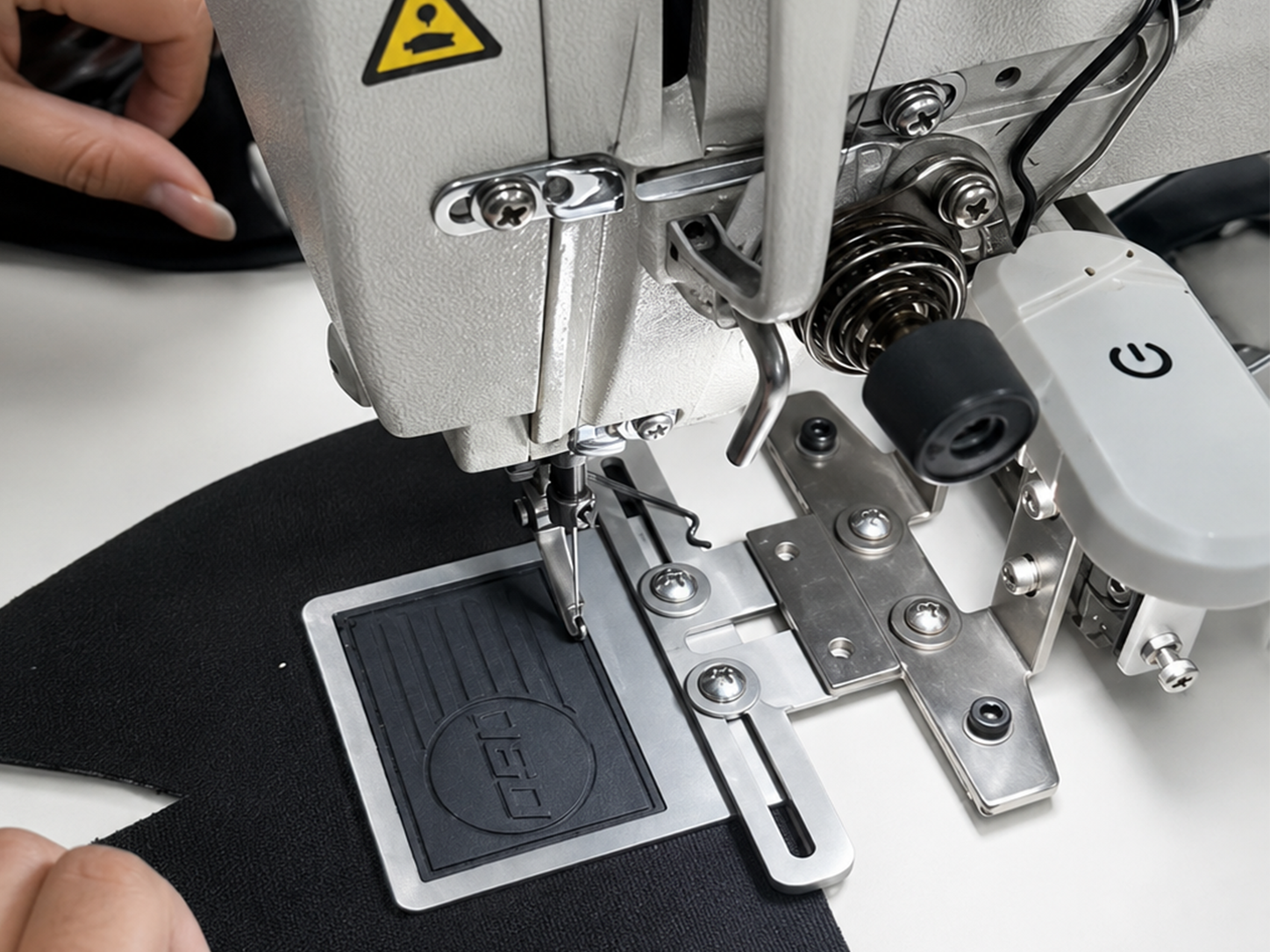
Translating vector artwork into an executable embroidery digitizing file demands specialized technique when working with 3D elements. Standard digitizing software settings must be modified to accommodate the physical volume of the foam insert. Digitizers begin by laying down a foundational underlay stitch that perforated and secures the EVA foam block to the base fabric. Next, perpendicular capping stitches are programmed at the open ends of raised letters or shapes. Capping acts like a clean seal, cleanly cutting through the foam perimeter while preventing raw foam from poking through the final satin stitches. Increasing the satin stitch density by roughly 40% to 50% compared to flat embroidery ensures full thread coverage, creating sharp, rigid edges that maintain their raised profile through heavy industrial laundering.
Color Palette Contrast and Thread Tension Calibration
Visual impact in 3D custom embroidery patches relies heavily on strategic color selection and thread tension management on the production floor. Selecting high-tenacity 40-weight polyester thread provides the tensile strength and sheen needed to wrap tightly over dense foam blocks without snapping under high machine speeds. To prevent the underlying foam from showing through minor thread gaps, production teams match the EVA foam color closely to the top thread color—such as using black foam beneath navy or black thread and white foam under light pastel threads. Machine technicians must calibrate upper thread tension carefully; excessive tension pulls the foam flat and causes needle breakage, while loose tension creates sloppy loop stitches along the raised contours. Achieving precise tension keeps stitch lines crisp, uniform, and visually striking.
Border Finishing and Structural Backing Selection
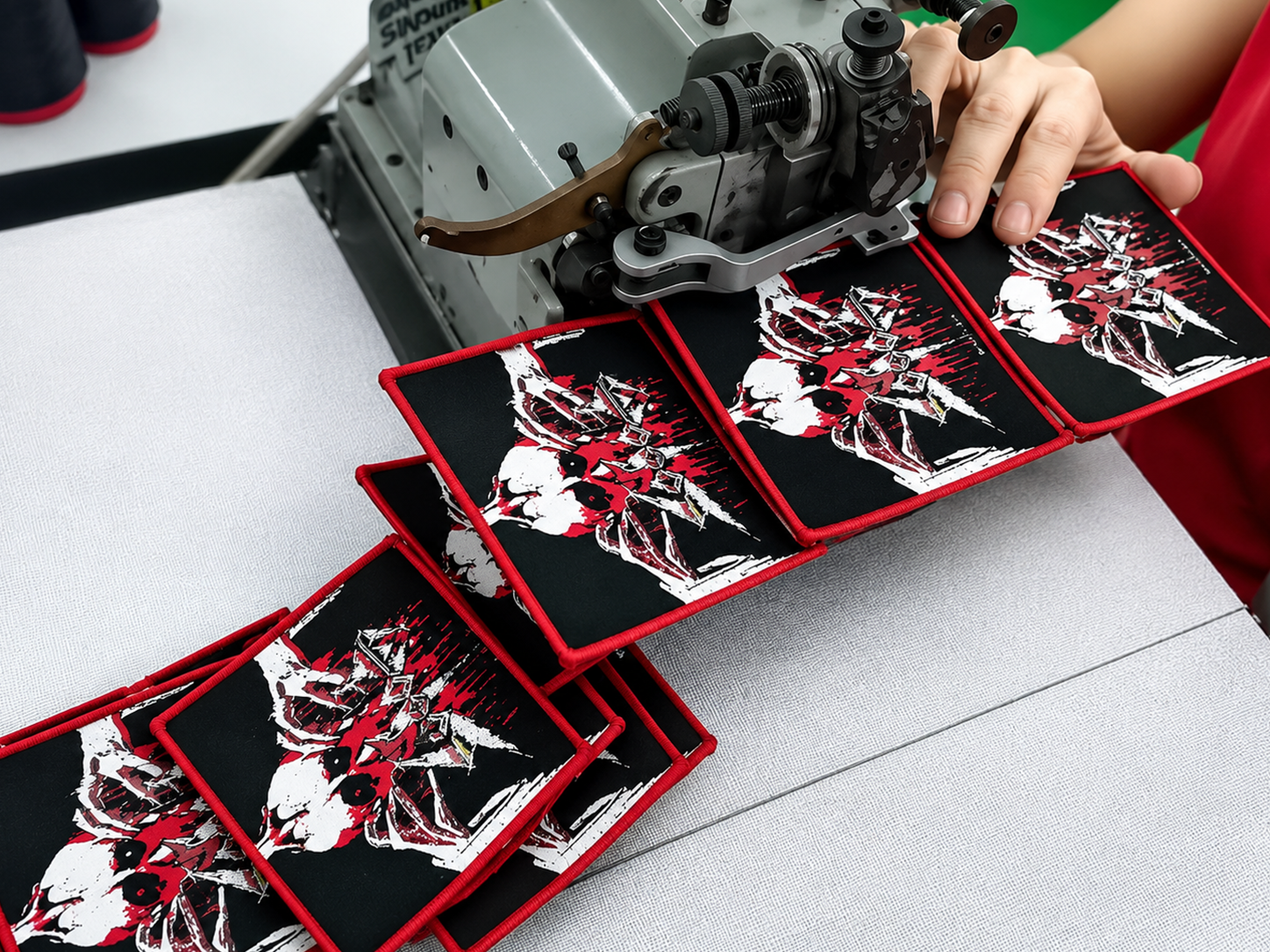
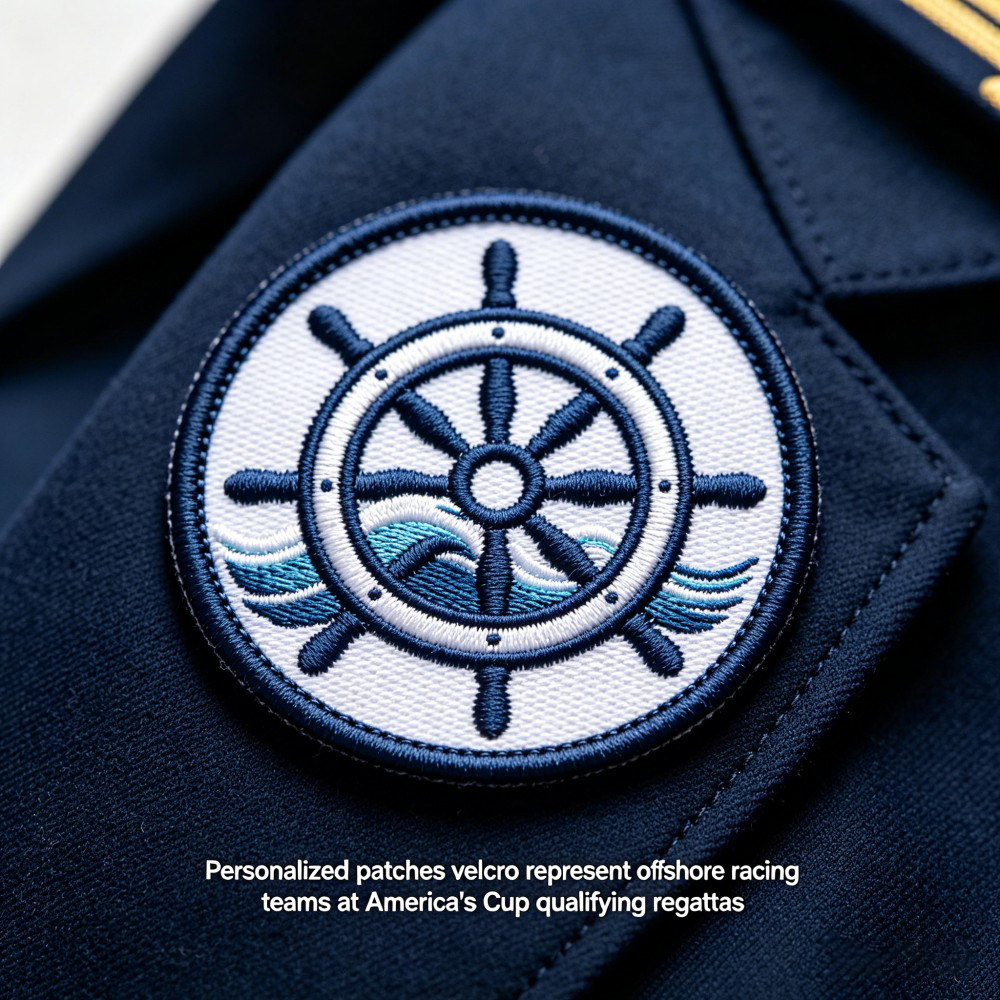
Completing a professional 3D emblem involves selecting appropriate border construction and backing layers tailored to the final application. For symmetrical geometric shapes like circles, rectangles, or shields, a classic merrowed border wraps high-density thread completely around the edge, providing a heavy-duty finished rim that prevents fraying. Complex custom shapes with sharp inner angles utilize a precise laser heat-cut border to seal fabric edges cleanly. On the reverse side, selecting the right structural backing preserves the patch's dimensional shape. A heavy PVC plastic backing adds necessary rigidity to prevent the raised foam sections from buckling. Depending on customer mounting needs, adding a heat-seal iron-on film, heavy-duty hook-and-loop fastener, or self-adhesive layer ensures seamless attachment across diverse promotional apparel and corporate uniforms.
Precision Production Protocols and Global Promotional Sourcing
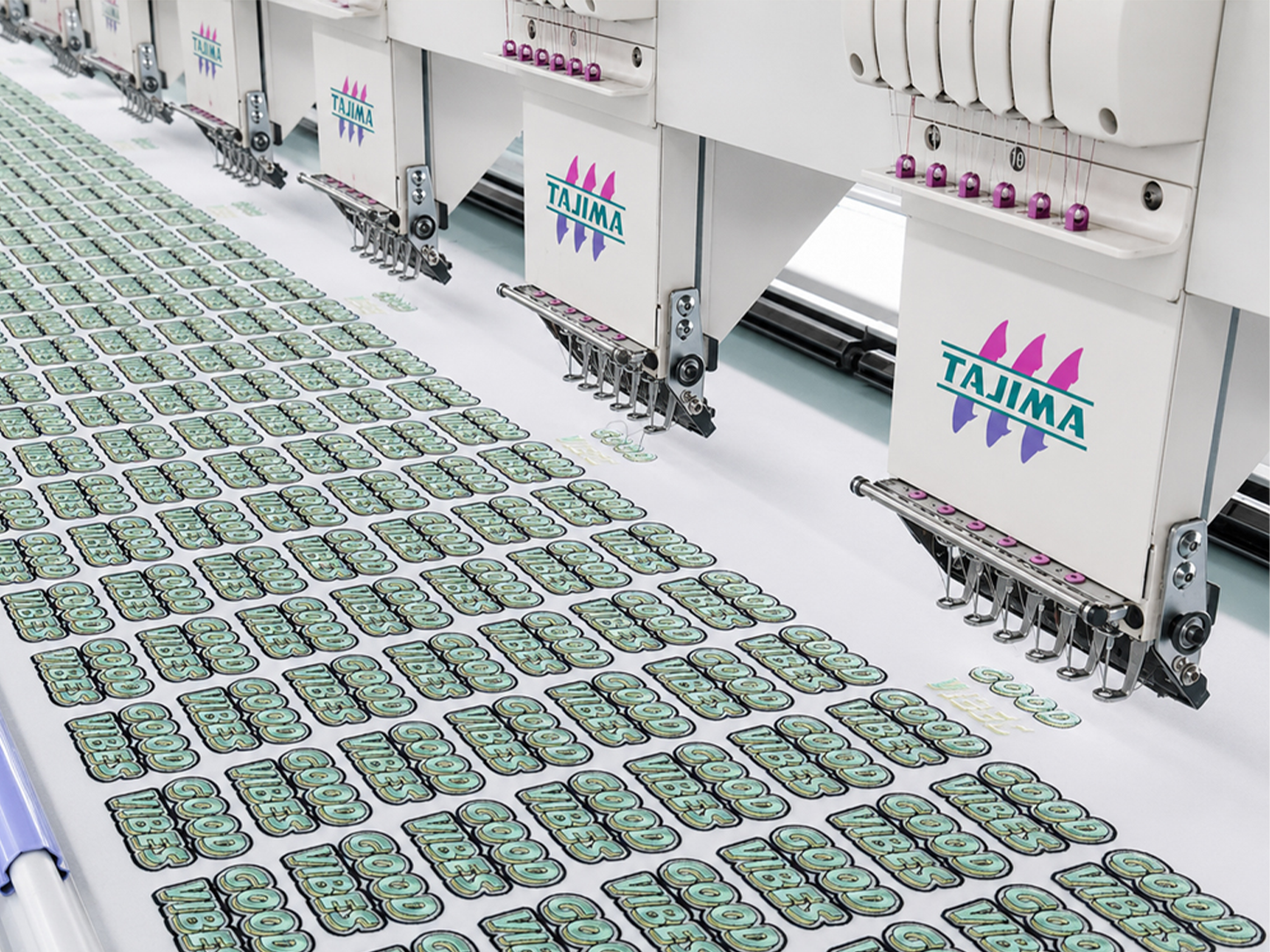
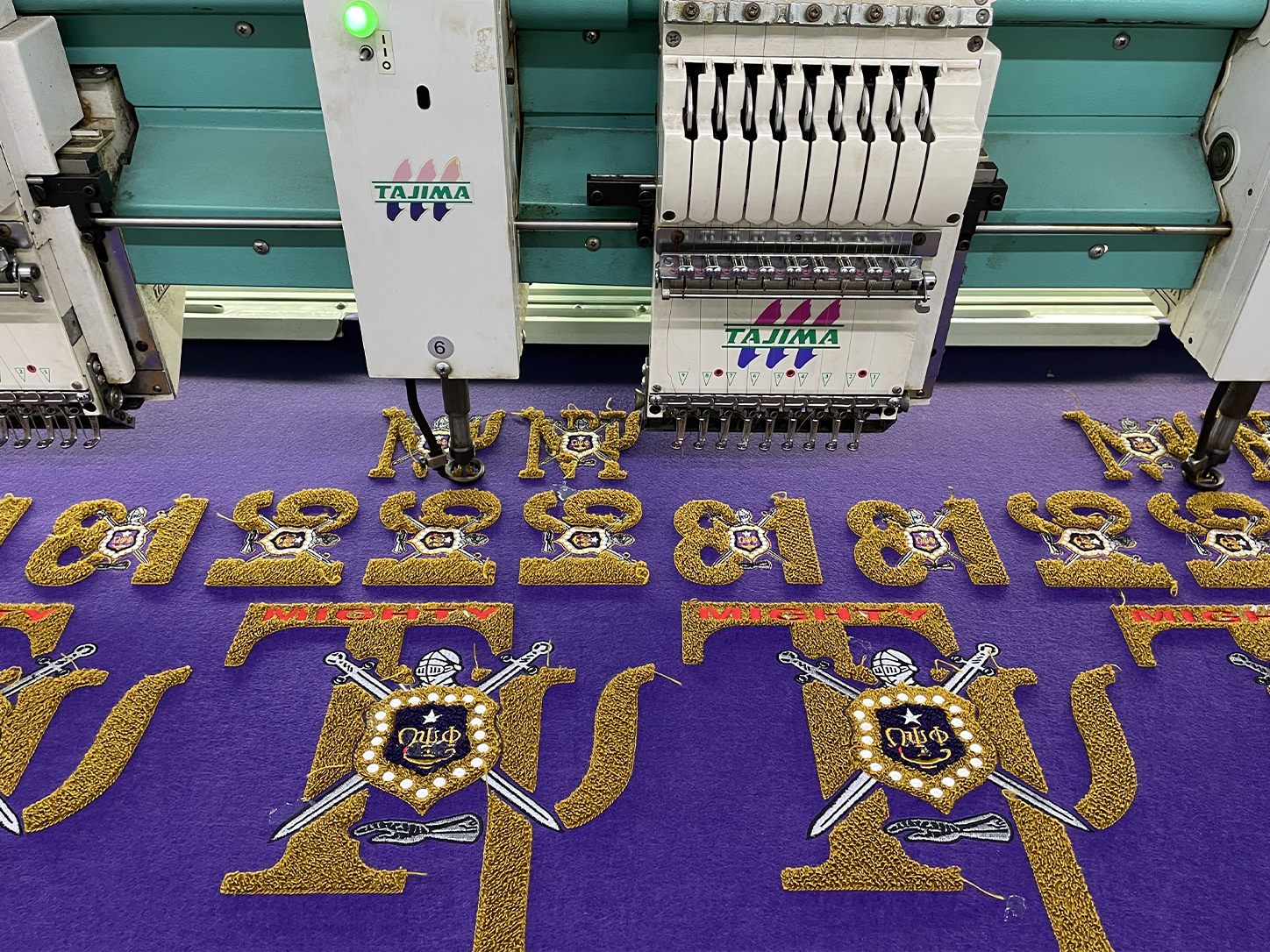
Bringing complex 3D custom embroidery patches to market efficiently requires combining automated embroidery technology with rigorous manual quality inspections. After the multi-head embroidery machines finish stitching over the foam layer, skilled technicians use heat guns or precise trimming tools to melt away excess foam debris from the edges, leaving behind clean, sharp 3D contours. Partnering with experienced supply chain partners and custom gift manufacturers like Awells provides brand managers with comprehensive digitizing expertise, precise PMS color matching, and scalable production pipelines for global promotional campaigns. Working alongside a proven product manufacturer guarantees consistent stitch execution, durable materials, and reliable delivery, helping businesses transform flat corporate logos into dynamic, premium 3D brand ambassadors.