 EN
EN

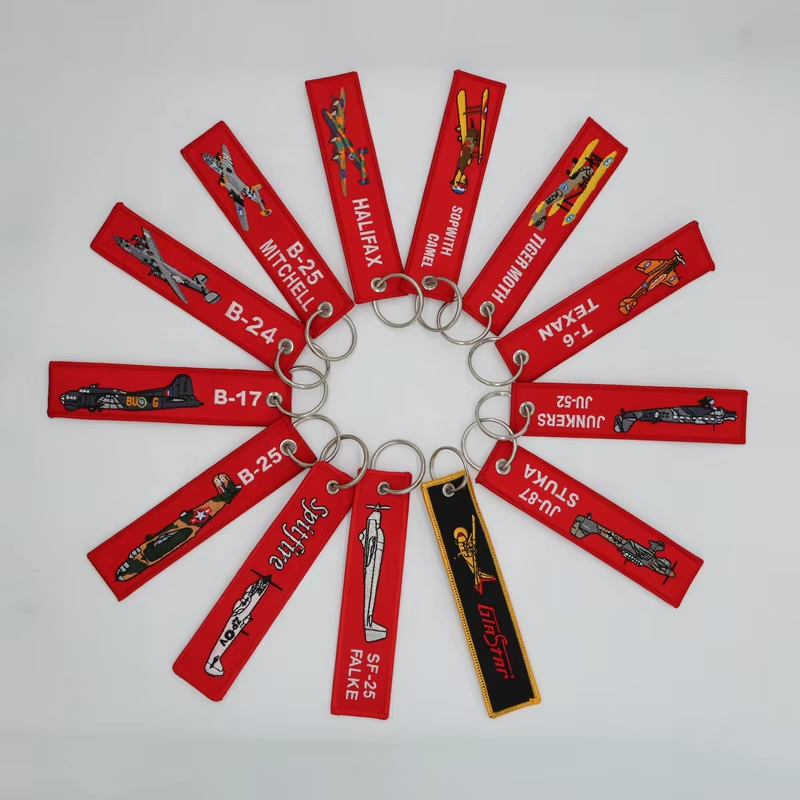
Uçuş Öncesi Kaldırılacak Anahtarlıklar İçin Havacılıkta Özgün Tasarım İlkeleri
Neden Kırmızı Kumaş, Cesur Tipografi ve Minimalizm Havacılık Güvenilirliğini Belirler
Orijinal uçakta kullanmayınız anahtarlık tasarım, havacılık güvenliği standartlarına sıkı sıkıya uyar. Yüksek görünürlüklü kırmızı kumaş zorunludur—bu, hangarlarda ve uçuş güvertelerinde dünya çapında anında dikkat çekmeyi sağlar; bu gelenek, askerî ve ticari uçak protokollerinden kaynaklanır ve kırmızı etiketler felaket niteliğinde ihmal hatalarını önler. Cesur, sans-serif tipografisi, düşük ışık koşullarında veya yüksek stres altında bile uçuş öncesi kontroller sırasında anında okunabilirliği garanti eder. Minimalizm üçlüyü tamamlar: karmaşık tasarımlar ana uyarı işlevinden dikkati dağıtır. Havacılık profesyonelleri işlevi biçimden önce tutar—gereksiz grafikler, ikincil metinler veya süsleyici unsurlar açıklığı zayıflatır. Bu disiplinli uyum, basit bir anahtarlığı güvenilir ve operasyonel olarak geçerli bir güvenlik aracı haline getirir.
Vaka Çalışması: Uyumluluk ile Marka Çekiciliği Arasındaki Denge
Son zamanlarda bir büyük havayolu şirketi, yer ekibinden gelen okunabilirlik sorunları bildirimi üzerine uçuş güvenliği anahtarlıklarını yeniden tasarladı; orijinal sürümde kurumsal mavi vurgular ve karmaşık logolar kullanılmıştı—bu durum kritik uyarılar için havacılıkta evrensel olarak kabul edilen "sadece kırmızı" beklentisini ihlal ediyordu. Yeniden tasarım şu unsurlara öncelik verdi:
- FAA yansıma standartlarını karşılayan tek renkli kırmızı kumaş
- Maksimum okunabilirlik için büyük boyutlu Helvetica yazı tipi
- Marka ifadesi, ters yüzünde ince bir şekilde işlenmiş monogramlı uçak siluetiyle sınırlandırıldı
Uygulamadan sonraki anketler, güvenlik denetimleri sırasında etiket tanımlamanın %89 oranında daha hızlı gerçekleştiğini gösterdi. Havayolu şirketi marka kimliğini korurken operasyonel güveni güçlendirdi—böylece uyumluluk ile estetik uyumun birbirini dışlayan iki kavram değil, aksine havacılık geleneğine dayandırıldığında birbirini destekleyen unsurlar olduğu kanıtlandı.
Yüksek kontrast renk standartlarıyla görünürlüğün ve okunabilirliğin optimize edilmesi
Kırmızı Üzerine Beyaz: Evrensel Bir Güvenlik İşareti — Kökeni ve Sektör Beklentileri
Kırmızı renk, küresel havacılık sistemlerinde uzun zamandır tehlike ve acil durum anlamına gelmektedir; beyaz renk ise kırmızıya karşı mümkün olan en yüksek kontrastı sağlar ve böylece mesafeden ve düşük aydınlatma koşullarında anında okunabilirlik sağlanır. Bu renk kombinasyonu sadece estetik bir tercih değildir; ICAO Ek 14 ve FAA Danışma Dairesi 150/5340-1L gibi havaalanı görsel yardımcıları ile ilgili on yıllardır yürürlükte olan güvenlik işaretlemesi standartlarında kodlanmıştır. Ekipler, kritik öğeleri tereddüt etmeden tanımlayabilmek için bu tutarlılığa güvenmektedir. Profesyonel bir 'Uçuş Öncesi Kaldırılacak' anahtarlık bu standardı yansıtır: koyu kırmızı kumaş üzerine net beyaz tipografi, karanlık uçuş üniformaları, kokpit panelleri veya hangar gölgeleri karşısında hızlı tanınabilirliği sağlar—belirsizliği ortadan kaldırır ve saniyenin kesri kadar süren karar alma süreçlerini destekler.
Fiziksel Anahtarlık Malzemelerine Uyarlanmış WCAG Kontrast İlkelerinin Uygulanması
WCAG yönergeleri dijital arayüzler için geliştirilmiştir; ancak kontrast ilkeleri, fiziksel güvenlik ürünleri için katı ve kanıt temelli bir referans noktası sunar. WCAG, normal metin için en az 4,5:1, büyük metin (18 punto veya daha büyük ya da kalın 14 punto veya daha büyük) için ise 3:1 kontrast oranı gerektirir. Uygulamada beyaz polivinil harflerinin koyu kırmızı naylon üzerine yerleştirilmesi, tutarlı olarak 7:1 oranını aşar—bu durum, hatta WCAG AAA standartlarını bile aşıyor. Ancak gerçek dünya değişkenleri—kumaş dokusu, yüzey parlaklığı, UV kaynaklı solma ve tekrarlayan kullanım—zaman içinde algılanan kontrastı azaltabilir. Tasarımcılar, örnekleri operasyonel koşullar altında doğrulamalıdır: parlak güneş ışığı, loş kokpit aydınlatması ve aşınmadan sonra yapılan testler. Düşük kontrastlı kombinasyonlar—örneğin açık kırmızı ile koyu kırmızı, sarı ile kırmızı ya da tuğla kırmızısı üzerine soluk beyaz—kesinlikle uyumsuzdur ve kesinlikle kullanılmamalıdır.
Düzen Disiplini: Hiyerarşi, Marka Kimliği ve Kesinlikle Yasaklanan Öğeler
Uçuş öncesi çıkarılacak profesyonel anahtarlık, güvenilirliği anında iletebilmek için katı bir görsel hiyerarşi gerektirir. İkonik kırmızı 'UÇUŞ ÖNCESİ ÇIKARILACAK' uyarısı, birincil görsel ağırlığa sahiptir—merkezde, kesintisiz ve baskın şekilde yer alır. Marka kimliği, dahil edilirse ikincil bir demirleme noktası olarak işlev görür: küçük, monogramlı ve kasıtlı olarak yerleştirilmiştir—genellikle arka yüzüne veya etiketin kenarına dikkat çekmeden kabartma şeklinde uygulanmıştır. Üretim işaretleri, malzeme sertifikaları veya uyumluluk kodları yalnızca arka yüze veya kayışın dikişine entegre edilir—ön yüzdeki uyarı alanına yerleştirilmez. Ön yüzü dekoratif çerçeve, gradyanlar, simgeler veya katmanlı tipografiyle aşırı yüklemek, pilotlar ve yere ekibi tarafından bağımlı olunan minimal disiplini ihlal eder. Her öğe, pazarlama niyetiyle değil, işlevsel gereklilik doğrultusunda yerini hak etmelidir.
Sıfır Tolerans Kuralı: Neden URL’ler, QR Kodlar ve İletişim Bilgileri Havacılık Otoentikliğini Bozar?
Uçuş öncesi çıkarılacak orijinal anahtarlıklar, hiçbir zaman web adresleri, QR kodları, telefon numaraları, e-posta adresleri veya sosyal medya kullanıcı adları içermemelidir. Bu öğeler ticari gürültüye neden olur, görsel hiyerarşiyi bozar ve ürünün amaçlı olarak tasarlanmış bir güvenlik aksesuarı olarak ima edilen rolünü—tanıtım amaçlı bir hediyeyi değil—zayıflatır. Havacılık kültüründe, özgünlük ölçütü olarak ölçülü davranış kabul edilir: Uyarının aciliyetini doğrudan desteklemedikçe ya da marka güvenilirliğini ölçülülük yoluyla pekiştirmeyen her şey, algılanan meşruiyeti zedeleyebilir. Bu kural mutlaktır; Boeing, Airbus ve Honeywell gibi sektör liderleri tarafından onaylanmakta ve bu üreticilerin orijinal ekipman (OEM) teknik şartnamelerinde de yansımaktadır: Güvenlik iletişimiyle ilgili katkı sağlamayan ya da güvenilir marka tanınmasını desteklemeyen hiçbir öğe ön yüzeye yerleştirilmemelidir.
Üretim Hazırı Özellikler: Boyutlar, Malzemeler ve Dayanıklılık
Uçuş öncesi çıkarılacak anahtarlık, zorlu havacılık ortamlarında güvenilir şekilde çalışabilmesi için katı boyutsal, malzeme ve dayanıklılık gereksinimlerini karşılamalıdır. Standart boyutlar, aşınmaya dayanıklılık, UV kararlılığı ve nem çekiciliği için en az 1000 denier değerinde dokuma naylon bir kayıştan oluşur; bu kayış genellikle 2,54 cm genişliğinde ve 15,2–20,3 cm uzunluğundadır. Dikdörtgen şeklindeki etiket yaklaşık 5 × 8,9 cm ölçüsündedir ve darbeye dayanıklı polikarbonat veya ABS plastikten kalıplanmıştır; çatlama riskini önlemek amacıyla minimum kalınlığı 2 mm’dir ve tekrarlayan bükülme veya darbe altında dayanıklılığını korur. Tüm metal donanım parçaları—including bölünmüş halka veya vida kilidiyle sabitlenen karabina—paslanmaz çelik (örneğin 304 veya 316 sınıfı) ya da korozyona dirençli kaplama ile işlenmiş çinko alaşımından olmalıdır. Üretim sonrası birimler, sertifikalı testlere tabi tutulur: kayış üzerinde 22,7 kg’lık statik yük testi ve halka bağlantısı üzerinde 9 kg’lık çekme testi—bu testler, uçuş sahasında, bakım atölyelerinde ve uçak içi günlük kullanım koşullarında yapısal bütünlüğün sağlanmasını garanti eder.
SSS
Neden yüksek görünürlüklü kırmızı kumaş, uçuş öncesi çıkarılacak anahtarlıklar için kritik öneme sahiptir?
Yüksek görünürlüklü kırmızı, aciliyeti işaret ederek uçuşa hazırlık kontrolleri sırasında anında dikkat çektiği için sektörün standart rengidir. Bu, kritik durumlarda gözden kaçırma riskini en aza indirir.
Bu anahtarlıklarda hangi tipografi kullanılır?
Düşük ışık koşullarında veya yüksek stres altında bile anında okunabilirliği sağlamak amacıyla genellikle Helvetica gibi kalın, sans-serif tipografiler kullanılır.
Marka kimliği bu anahtarlıkların işlevselliğini tehlikeye atabilir mi?
Etkili tasarımlar, uyarı metnini net ve baskın tutarken, minimal marka unsurlarını (örneğin monogramlar) ters yüzeye yerleştirerek işlevselliği ve marka kimliğini dengeler.
Neden URL’ler ve QR kodları önerilmez?
Bu öğeler görsel gürültüye neden olur ve birincil güvenlik mesajının etkisini azaltır. Gerçek havacılık etiketleri, yalnızca kritik uyarıları iletmeye odaklanır.
Bu anahtarlıklar için yaygın olarak hangi malzemeler kullanılır?
Dayanıklılıkları nedeniyle zorlu ortamlarda dokunmuş naylon (en az 1000 denier) ve darbeye dayanıklı polikarbonat veya ABS plastik kullanılır.
İçindekiler Tablosu
- Uçuş Öncesi Kaldırılacak Anahtarlıklar İçin Havacılıkta Özgün Tasarım İlkeleri
- Yüksek kontrast renk standartlarıyla görünürlüğün ve okunabilirliğin optimize edilmesi
- Düzen Disiplini: Hiyerarşi, Marka Kimliği ve Kesinlikle Yasaklanan Öğeler
- Üretim Hazırı Özellikler: Boyutlar, Malzemeler ve Dayanıklılık
- SSS