EN

What Are Military Patches and Why Do They Matter?
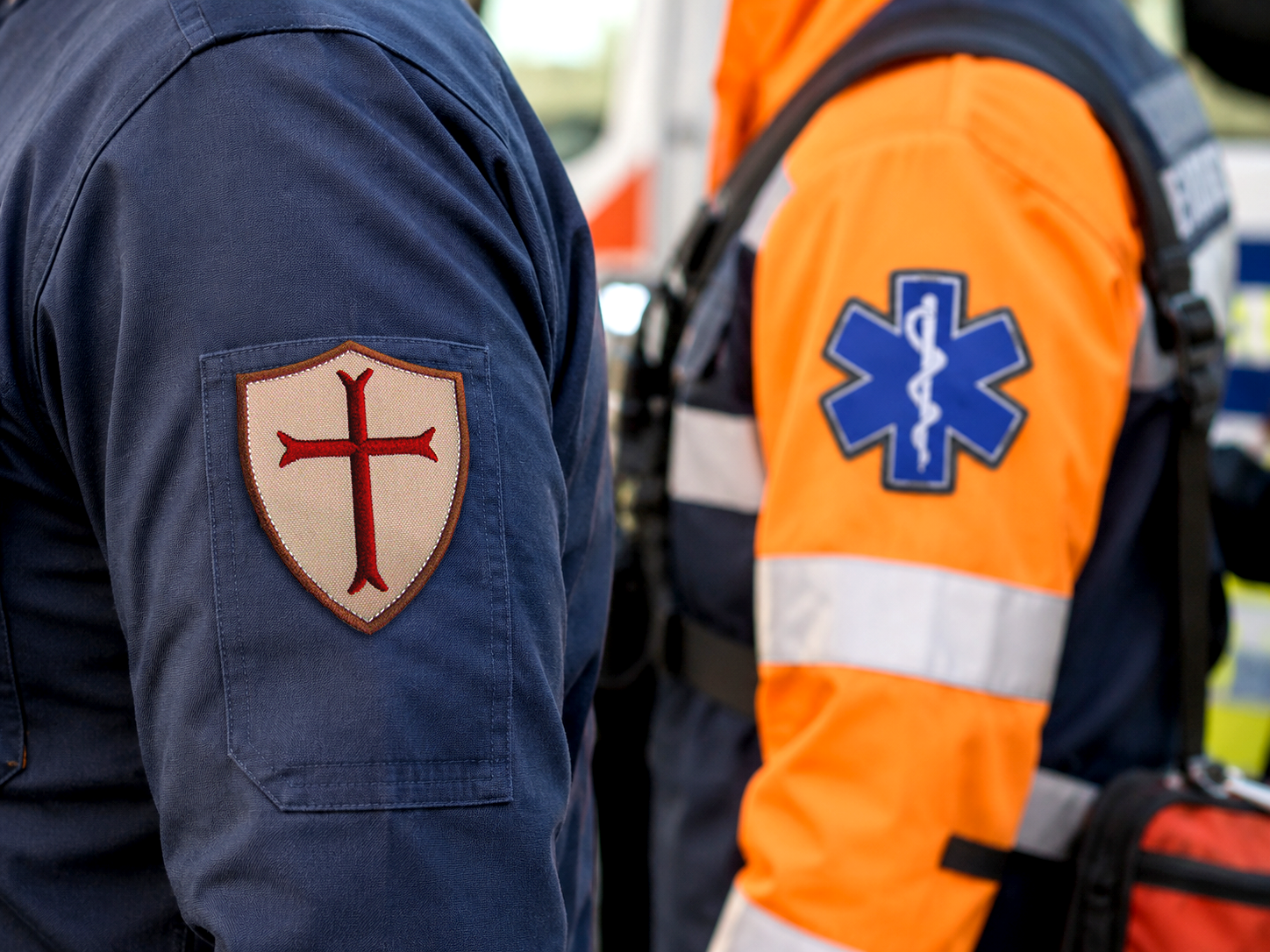
Military patches are fabric emblems attached to uniforms to convey identity, unit affiliation, rank, and verified accomplishments. Their systematic use began in World War I, when shoulder sleeve insignia enabled rapid identification of divisions in the field. Today, they remain essential for instant visual communication—signaling a service member’s combat role, medical specialty, or parachute qualification. Beyond function, patches foster esprit de corps: wearing the same emblem reinforces shared values, collective history, and unit cohesion, especially in high-stress environments. Design elements—eagles, swords, shields, or regionally significant colors—often encode heritage, geographic roots, or historic battles. For individuals, earning a new patch marks a career milestone: graduating from basic training, completing a deployment, or mastering a critical skill. This visible badge of accomplishment serves as a lasting record of personal growth and service. Strict uniform regulations (e.g., AR 670-1) prescribe exact placement and wear, underscoring the patch’s formal role in military culture. Thus, military patches transcend decoration—they are enduring symbols of duty, identity, and belonging.
Core Types of Military Patches and Their Distinctive Features
Military patches fall into two broad categories that serve both functional and symbolic roles. The first identifies the wearer’s organizational home; the second confirms individual standing and skills. Together, these insignia create a visual language that maps command structures and career milestones on every uniform.
Unit Insignia and Shoulder Sleeve Insignia (SSI)
Unit patches instantly communicate where a service member belongs. Shoulder Sleeve Insignia (SSI) represent divisions, brigades, or battalions and are worn on the upper arm. Colors, shapes, and emblems—such as eagles, swords, or stars—carry deliberate meaning, often reflecting geographic origin, unit history, or core mission. Historical analysis shows these designs have remained remarkably stable; a 2022 survey of Army units found that over 80% retained their original symbol elements for at least 30 years, reinforcing collective identity and continuity.
Rank, Qualification, and Achievement Patches
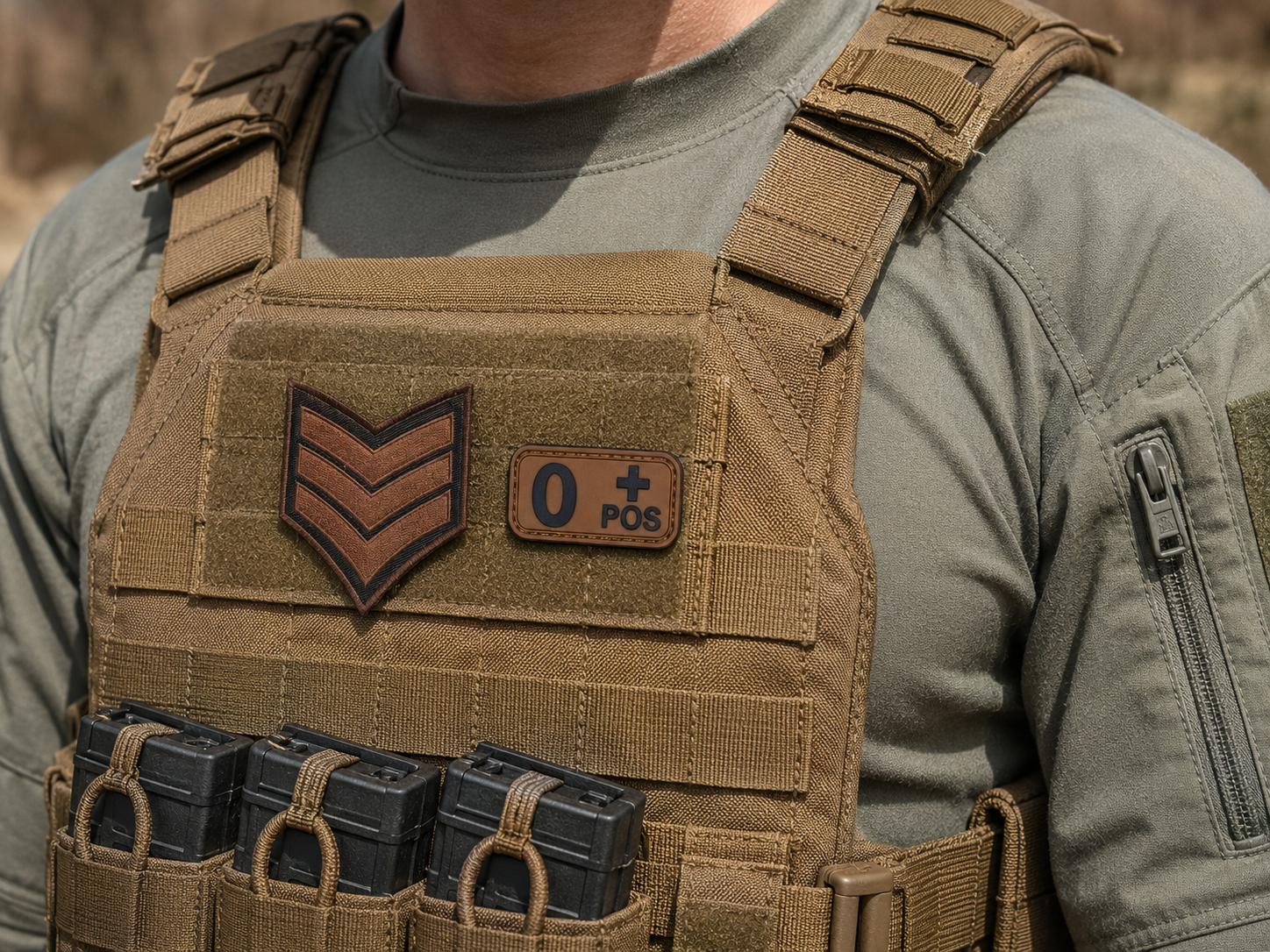
Rank patches signal authority and progression—from private to general. Qualification badges—such as airborne, air assault, or marksmanship—certify specialized training, while achievement patches commemorate deployments, campaigns, or completion of rigorous courses. These insignia are tightly regulated: unauthorized wear can lead to administrative action. Because they validate expertise, qualification patches directly influence career advancement—for instance, possessing a Ranger tab increases promotion eligibility points in many branches. This category transforms the uniform into a personal resume of verified capabilities and sacrifice.
How Military Patches Are Used Across Branches and Operations
Each U.S. military branch enforces precise wear protocols for military patches to ensure immediate identification and unit cohesion. These visual markers not only convey rank and affiliation but also serve operational roles in the field.
Standardized Wear Protocols in the Army, Navy, Air Force, and Marines
The Army mandates unit patches on the left shoulder and, often, a combat patch on the right to denote current assignment and deployment history. Navy working uniforms position warfare insignia above the left pocket, while the Air Force places the organizational patch on the left sleeve and the American flag on the right. Marines avoid color patches on tactical gear to preserve camouflage, reserving full-color versions for service uniforms. All services follow AR 670-1 or equivalent regulations, specifying dimensions, attachment methods, and placement within a 1/2-inch tolerance (±0.5 in) to reduce misidentification in joint operations.
Tactical, Ceremonial, and Commemorative Applications
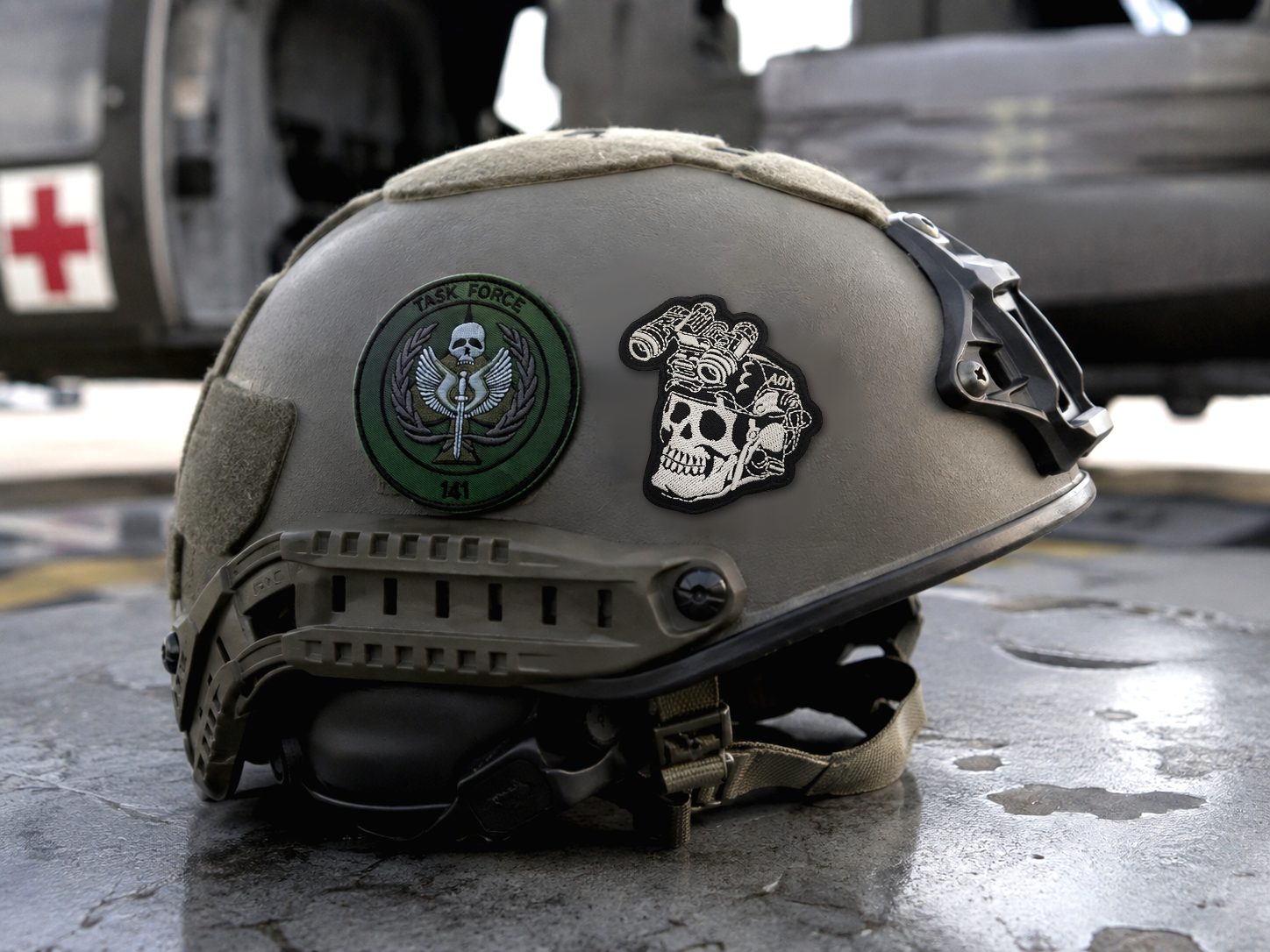
Beyond daily duty, military patches shift functions according to context. In tactical settings, subdued infrared (IR)-reflective patches enable night-vision identification without compromising cover. Ceremonial events feature metal-thread or bullion embroidery on dress uniforms, honoring long-standing traditions. Commemorative patches—produced for specific deployments or joint exercises—are frequently traded between service members to build morale and document shared experience. A 2022 survey by a leading uniform supplier found that 68% of units issue custom tour patches for major training rotations, underscoring their role as lasting symbols of collective achievement.
Custom Military Patches: Design, Production, and Compliance Considerations
Creating custom military patches lets units, veterans, and support organizations blend heritage with distinct identity—but the process demands strict attention to regulation and material performance. Every design must respect formal wear guidelines while achieving intended visual impact and field durability.
Meeting MIL-STD and Branch-Specific Guidelines
Official uniform patches must comply with MIL-STD specifications covering colorfastness, thread tensile strength, and back attachment. Each U.S. branch enforces its own insignia regulations—such as AR 670-1 (Army) or AFI 36-2903 (Air Force)—that dictate size, placement, and authorized elements. Custom patches cannot misrepresent rank, awards, or unit designators; unauthorized use can lead to demerits or legal action. Even morale patches intended for off-duty wear should avoid imitating official qualification badges. Responsible manufacturers follow these protocols to maintain disciplinary integrity and prevent impersonation risk.
Embroidery vs. PVC vs. Woven: Choosing the Right Format
Selecting the right patch format balances detail, texture, and end-use environment. Each method suits different operational and aesthetic needs:
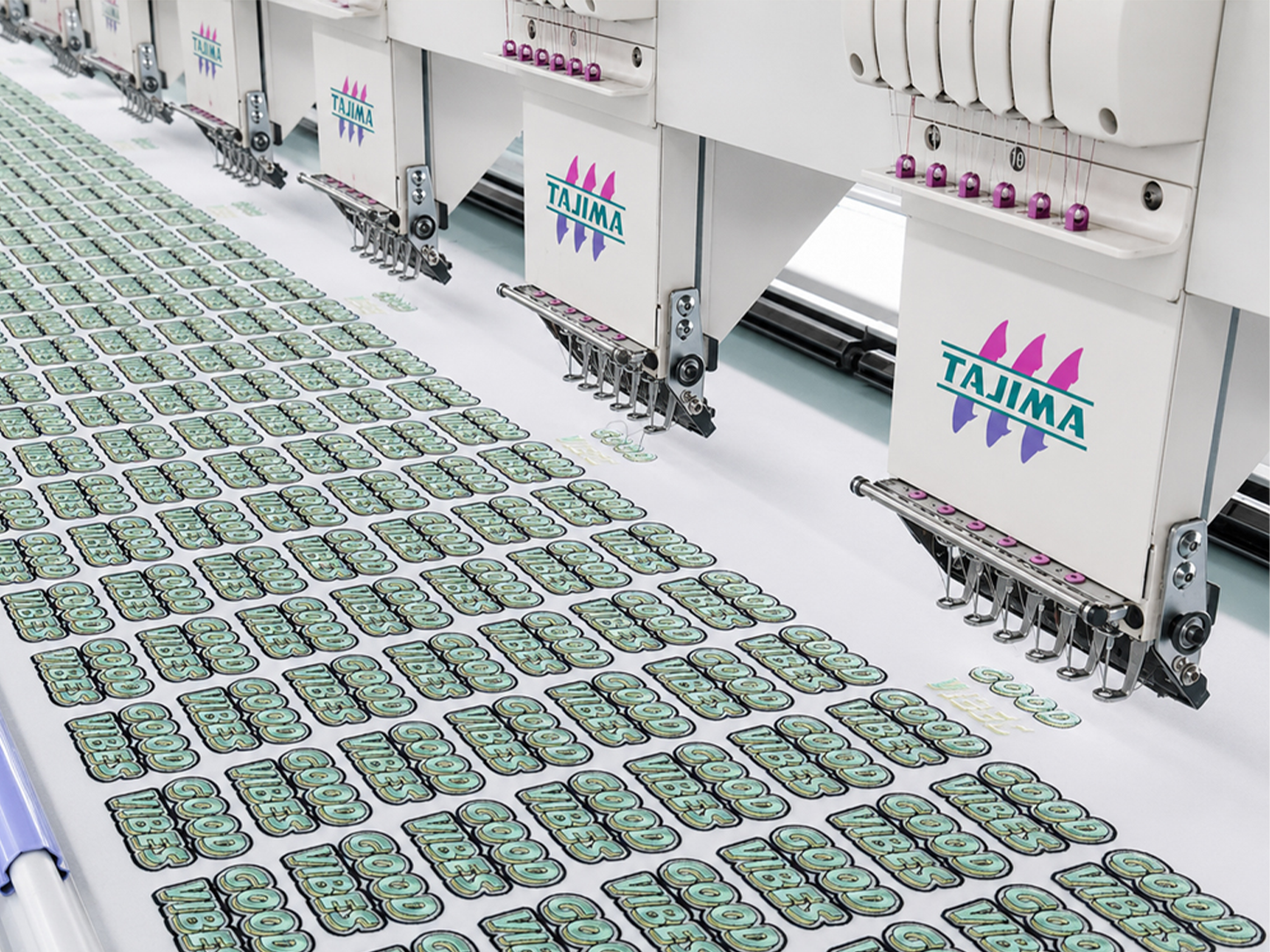
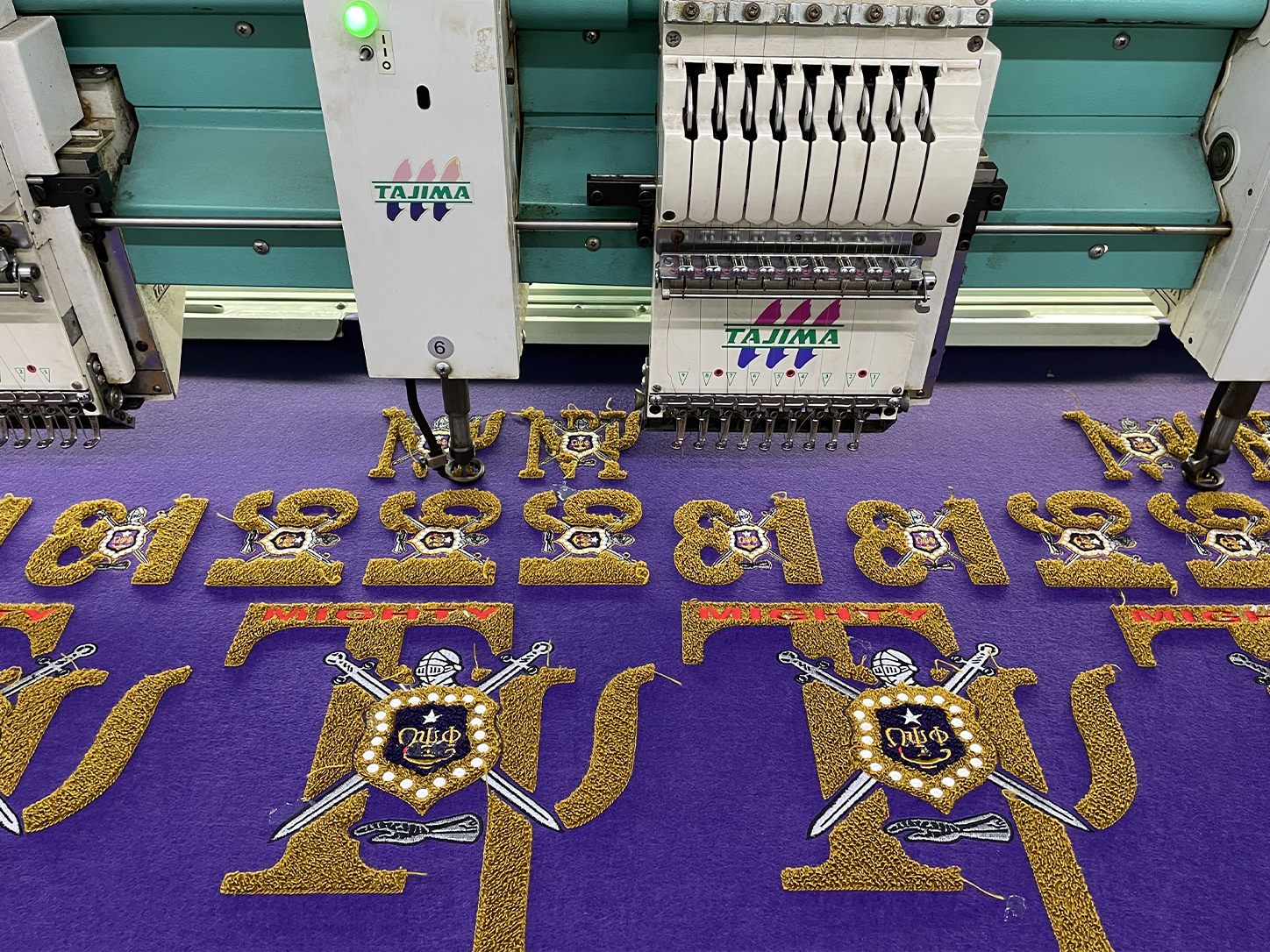
- Embroidered – Classic, cost-effective choice with raised threadwork that adds tactile depth. Best for bold, simple shapes but may lose clarity on sub-1.5 mm lettering.
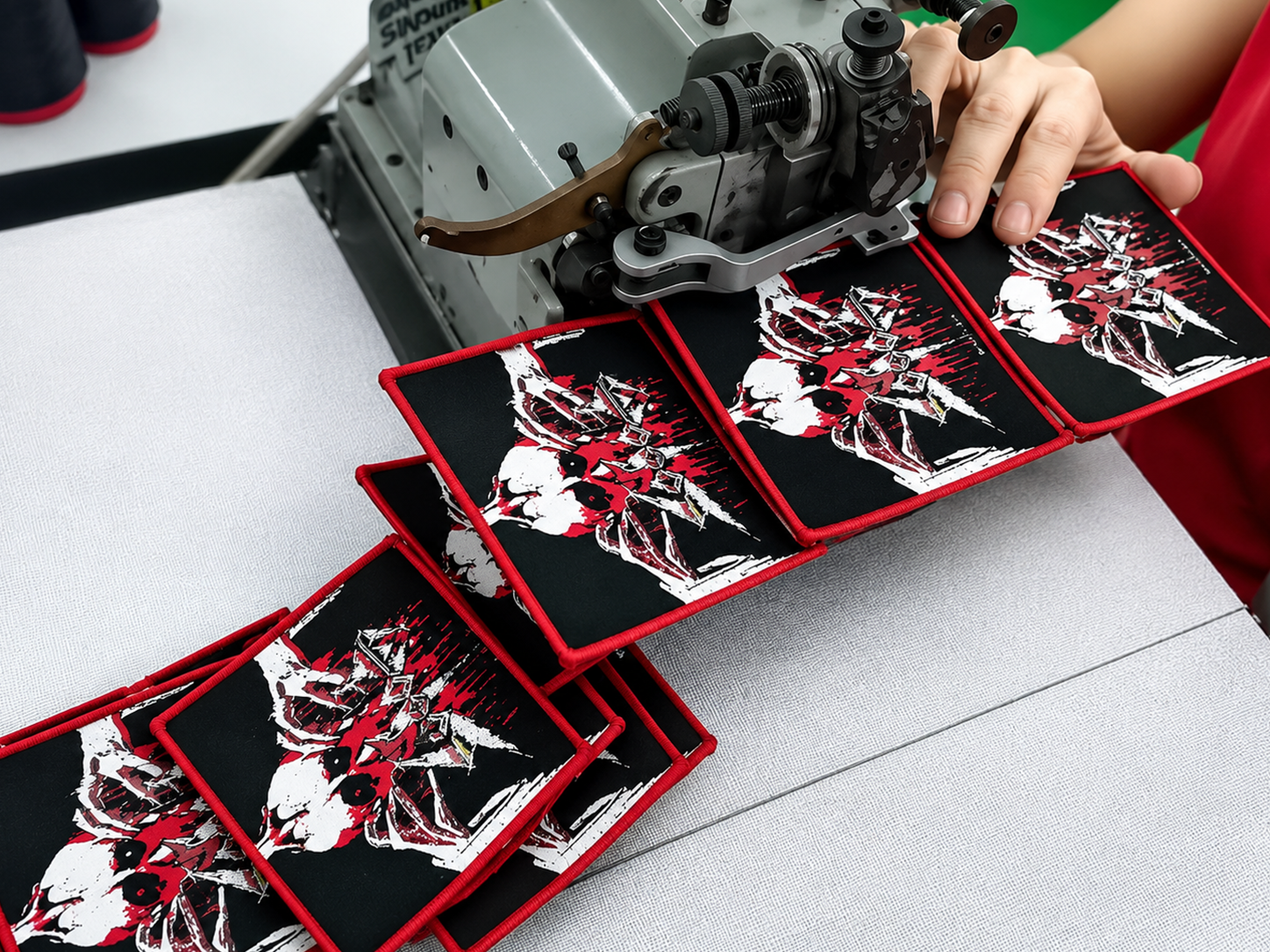
- Woven – Uses thinner threads and a denser weave, capturing intricate text, crests, and gradient effects with a smooth, non-bulky finish. Ideal for detail-heavy unit mottos.
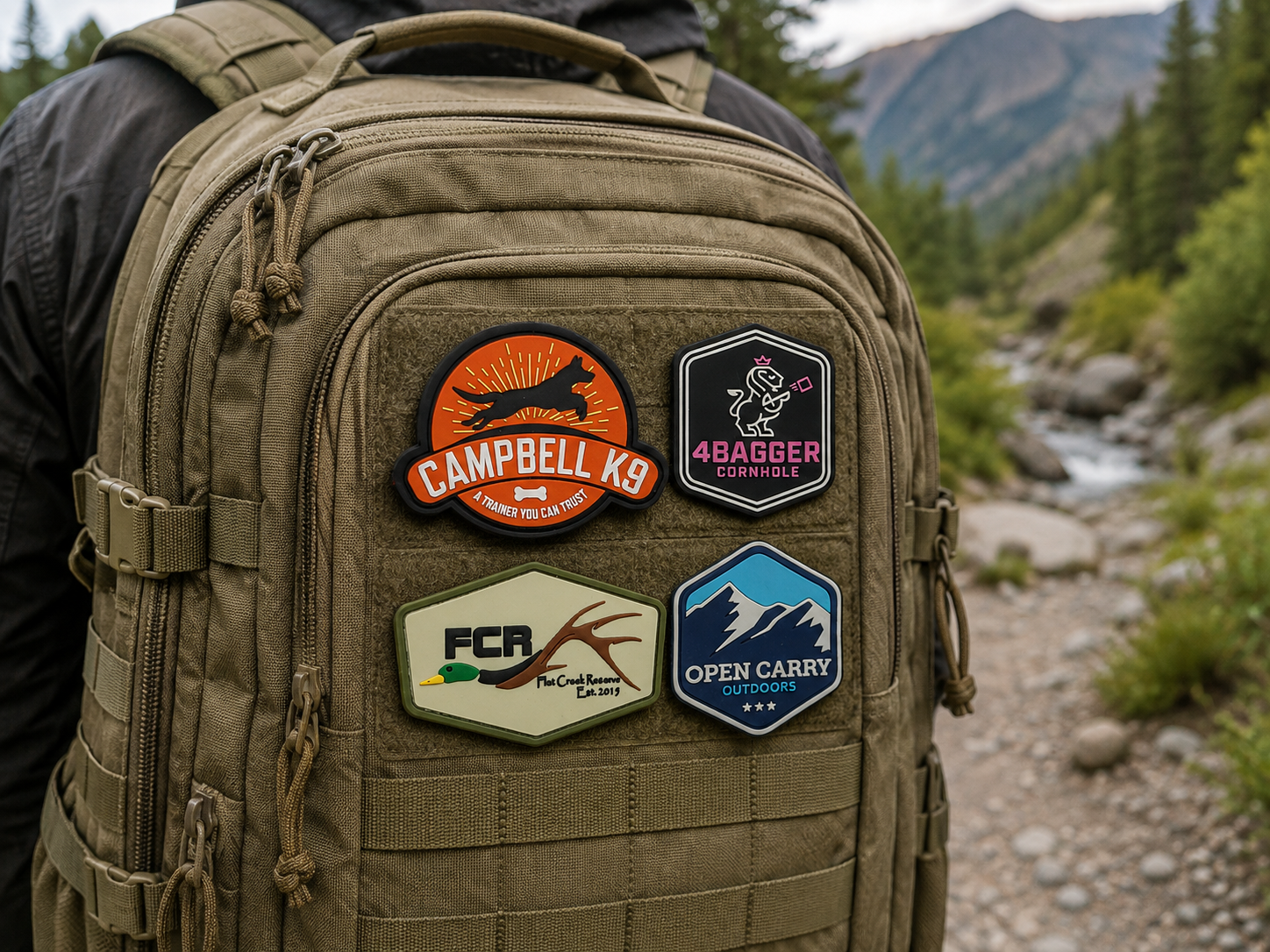
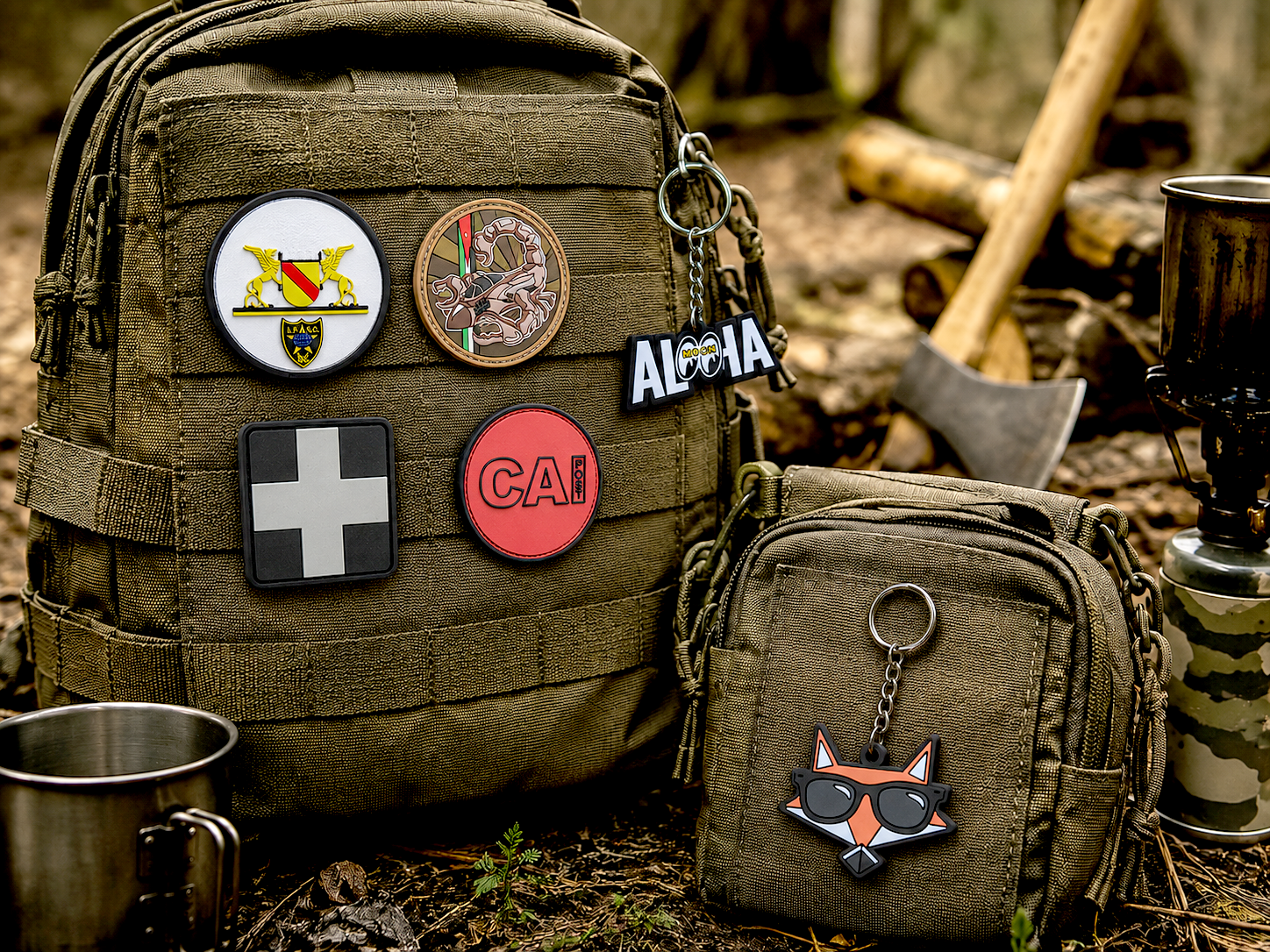
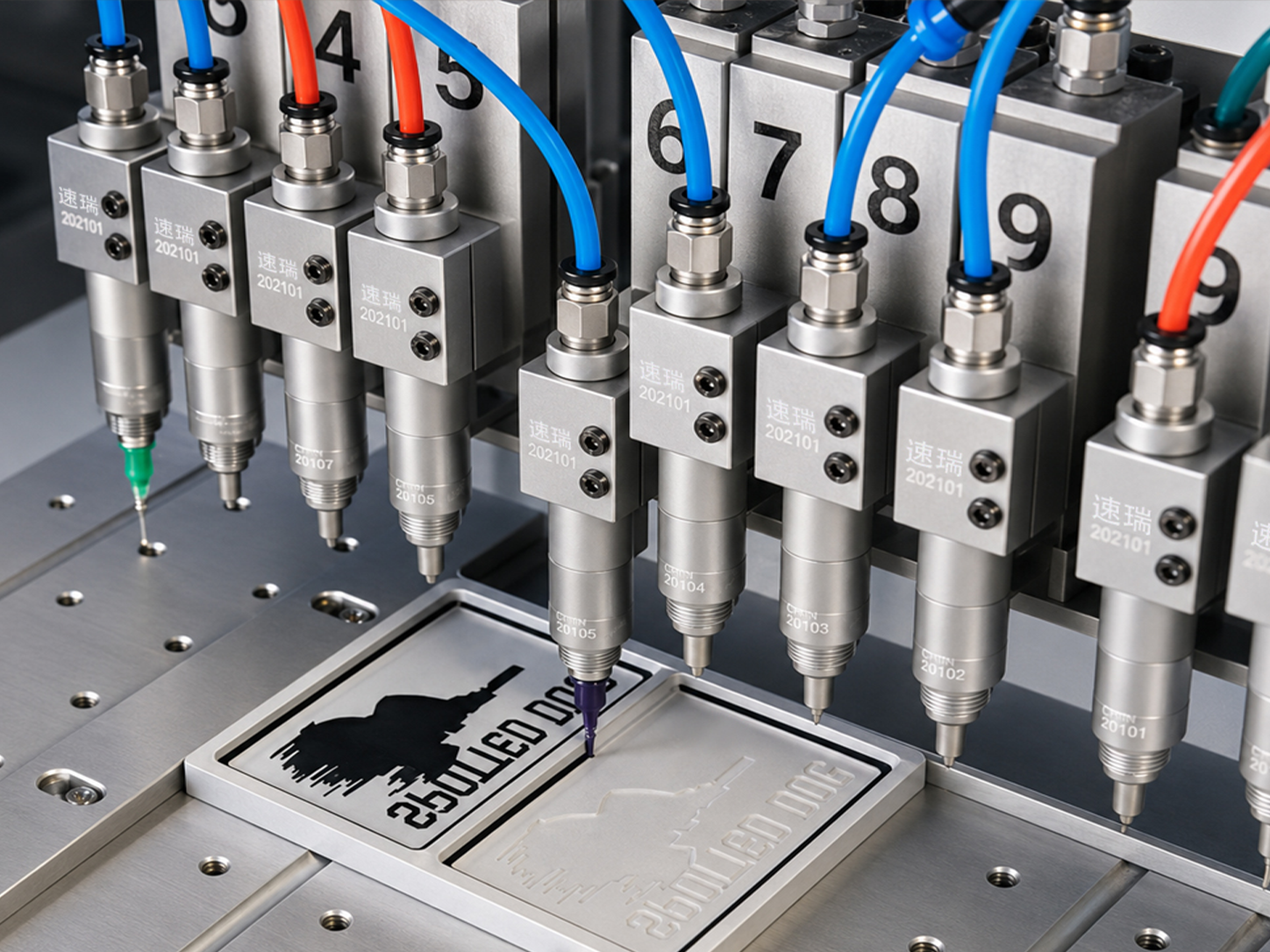
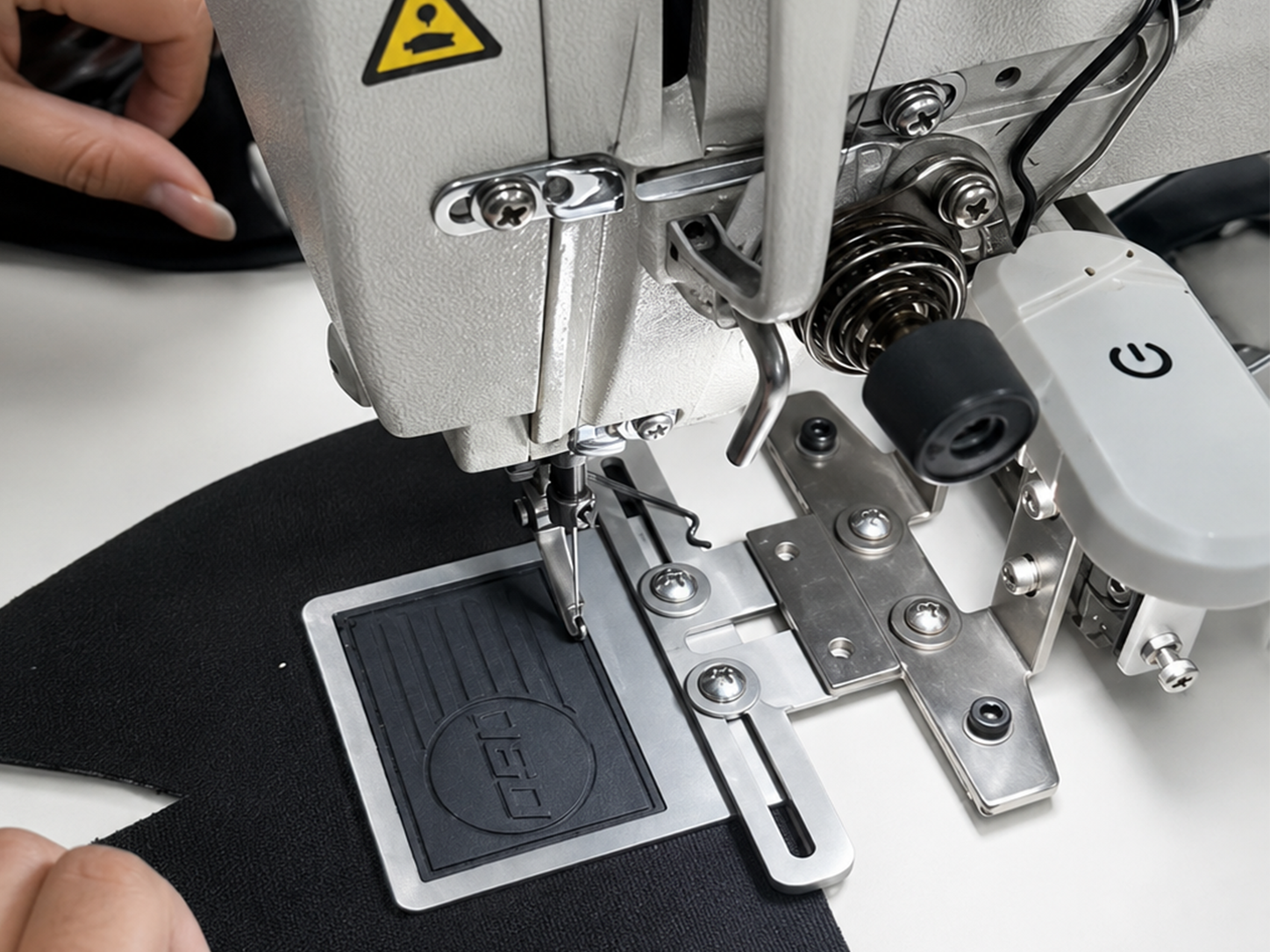
- PVC (polyvinyl chloride) – Flexible, rubber-like material delivers a three-dimensional, waterproof result. Frequently used for modern morale patches and tactical gear; rarely approved for formal dress uniforms.
The final selection hinges on the patch’s intended uniform class, exposure to abrasion or moisture, and the level of fine detail required.
FAQ
What are military patches used for?
Military patches are used to convey identity, unit affiliation, rank, and achievements. They also foster esprit de corps and serve as lasting symbols of duty and belonging.
What are the main types of military patches?
The two main types are unit insignia (representing divisions, brigades, or battalions) and patches for rank, qualifications, and achievements.
How do patches differ between branches?
Each branch has specific regulations defining placement, size, and use of patches. For example, Army uses shoulder patches, Navy places insignia above pockets, Air Force uses sleeve patches, and Marines avoid colored patches on tactical gear.
What are the common formats for designing custom patches?
Custom patches can be embroidered, woven, or made of PVC, each offering different levels of detail and durability for operational or aesthetic purposes.