 EN
EN

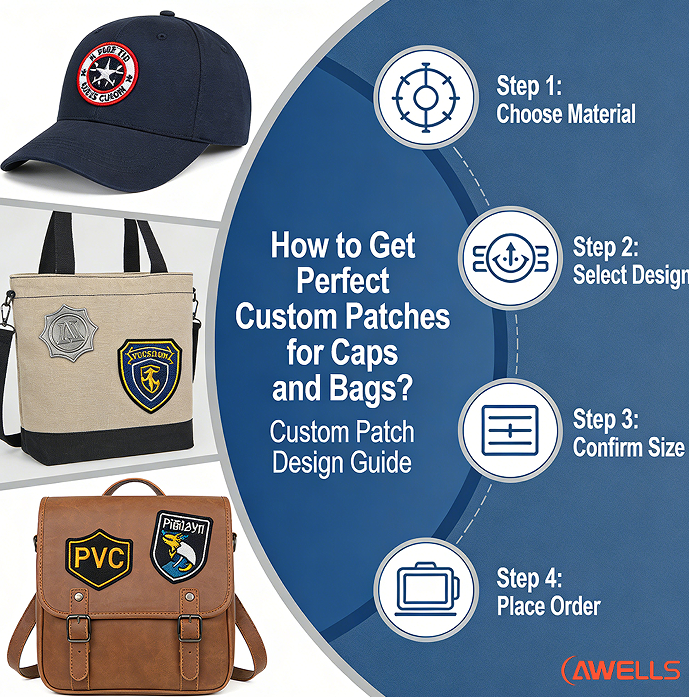
Matching Custom Patch Types to Cap and Bag Applications
Embroidered, PVC, and Leatherette Patches: Balancing Durability, Flexibility, and Aesthetic Fit
Choosing the right kind of patch really comes down to matching what the material can do with what's actually needed. Embroidery gives that nice breathable feel and traditional look many people love, though it doesn't stand up to water like PVC or leatherette options will. When talking about those heavy duty bag straps that get used all day long, nothing beats PVC for keeping things dry completely since it won't let water through at all. Leatherette is another good choice too because it stays light weight yet bends easily around shapes like hat brims or curved tops where rigidity just wouldn't work.
| Material | Durability | Flexibility | Best Application |
|---|---|---|---|
| Embroidered | High | Moderate | Structured bag fronts |
| PVC | Very High | Low | Backpacks, rain gear |
| Leatherette | Medium | High | Baseball caps, sling bags |
Aesthetic alignment matters equally—glossy PVC suits modern brands, whereas embroidered textures complement heritage designs. Use UV-resistant threads for outdoor exposure to prevent fading.
Tackle Twill and Felt Patches for Curved Surfaces: Why They Conform Best to Caps
When it comes to curved caps, twill and felt patches really stand out because they bend easily without breaking their shape. The special stitching in twill fabric lets it fold in tiny ways without creating unsightly creases, so it fits right into those tricky crown shapes that other stiffer materials just can't handle. Felt works wonders too since there's no need for extra backing material, which means less bulk but still keeps its form even on those softer, more flexible hats people wear these days. Both types of fabric actually pull sweat away from the surface pretty well, which helps keep the patch stuck in place when someone is moving around all day long. Before making a choice though, there are several things worth thinking about first.
- Twill's edge-stitching resists unraveling through repeated flexing
- Felt's 1.5–2mm thickness avoids silhouette distortion
- Both conform reliably to curves under 3" in diameter
Designing Custom Patches for Non-Flat Surfaces
Optimal Shape, Size, and Border Guidelines for Caps and Bag Panels
When it comes to patch placement on curved caps and structured bags, getting the geometry right matters a lot. Round or shield shaped patches work great on baseball caps if they're smaller than about 3 inches across. Angular shapes tend to come loose more easily though. Backpack panels are different story altogether. Rectangular patches around 4 inches long usually stand out well without drooping down. The border choice depends on fabric type too. Borderless patches blend in nicely with rougher textures, whereas those neat merrowed edges really pop against smooth materials like nylon. Sharp corners should be avoided completely on cap patches since they just lift off after repeated flexing. Leaving at least quarter inch space between patches and seams helps avoid those annoying puckers when attaching them. And don't skip the physical testing phase either. According to some industry studies, most design issues only show up once patches are actually applied to real products.
Color Consistency and Texture Integration Across Fabric-Blend Bag Materials
Getting that right look depends on matching materials properly. For polyester blend bags, using UV resistant thread makes all the difference. Some tests have shown colors can drift apart by around 40% after just 200 hours in sunlight. Canvas backpacks work best when the embroidery has some texture similar to how the fabric itself looks. Smooth PVC patches tend to stick out less on synthetic materials. Always check Pantone colors in different lighting conditions too. According to a recent textile report from 2023, most shoppers actually spot texture problems before they even notice any design issues. When it comes to patch thickness, think about what kind of fabric we're working with. Heavyweight twill can handle those thick 3D embroidered designs without looking awkward, but something as delicate as thin nylon needs simpler, flatter applications so everything stays balanced visually.
Secure and Seamless Custom Patch Attachment Methods
Iron-On, Sew-On, and Heat-Press Bonding: Performance Comparison on Dynamic Surfaces
How something attaches makes all the difference when it comes to staying put on moving surfaces. Iron on bonding works pretty well because it uses heat activated glue that sticks things fast, but there's a catch. When dealing with stuff that curves or stretches, like most fabrics today, this method just doesn't hold up so great. Tests have found that after about 15 washes, these bonds lose around 30% of their grip strength. For places where things get moved around a lot, sew on patches are still king. The actual stitching creates real physical connections that won't budge easily, which is why they work so well on items like baseball caps or backpack straps that constantly flex. Heat pressing offers another good option though. It brings together speed and lasting power by applying serious pressure from machines to really embed the adhesive into fabric fibers. This works particularly well with synthetic materials we see everywhere nowadays.
| Method | Application Time | Wash Resistance | Flexibility Rating* |
|---|---|---|---|
| Iron-On | <1 minute | Moderate | ☆☆★★★ |
| Sew-On | 5–10 minutes | High | ☆☆☆☆☆ |
| Heat-Press | 2–3 minutes | High | ☆☆☆☆★ |
| *Based on textile stress testing for dynamic surfaces (Textile Research Journal 2023) |
Prioritize sew-on for critical wear points and heat-press for commercial-scale production on performance fabrics. Always reinforce edges on curved installations to prevent peeling.
Selecting Long-Lasting Materials for High-Movement Applications
Custom patches on caps and bags face unique durability challenges—constant flexing, abrasion, and environmental exposure demand purpose-built materials. Prioritize these four properties:
- Abrasion resistance: Withstands friction without fraying or fading
- Flexibility: Conforms to curves and folds without cracking
- UV/weather resistance: Prevents degradation in outdoor use
- Wash durability: Maintains integrity across repeated cleaning cycles
Embroidery patches that have those reinforced merrow edges tend to last much longer because the threads are basically locked together so they won't come apart even when bent or flexed repeatedly. PVC material works really well against water damage and keeps its shape over time, whereas treated leatherette offers something different it stays flexible but still resists scratches pretty nicely. When it comes to thickness, anything 3mm or thicker can handle more stress without breaking down, though there's a catch thinner materials generally feel better on clothing and move with the fabric naturally. For anyone making patches for harsh environments like beaches or military gear, it makes sense to test them out in actual conditions where temperatures swing wildly and salt air is constantly attacking surfaces.
FAQ
What is the best material for patches on heavy-duty bag straps?
PVC patches are ideal for heavy-duty bag straps because they offer superior water resistance and durability.
Which patch material is best suited for baseball caps?
Leatherette and felt patches conform well to the curved surfaces of baseball caps due to their flexibility.
What attachment method offers the best durability on dynamic surfaces?
Sew-on patches provide the most durable attachment method for dynamic surfaces such as caps and backpacks.
How can I ensure the color consistency of patches on fabric-blend materials?
Using UV-resistant threads and verifying Pantone colors under different lighting conditions will help maintain color consistency.
Why is patch thickness important?
Patch thickness impacts durability; thicker patches withstand stress better but may be less aesthetically pleasing on clothing.
Table of Contents
-
Matching Custom Patch Types to Cap and Bag Applications
- Embroidered, PVC, and Leatherette Patches: Balancing Durability, Flexibility, and Aesthetic Fit
- Tackle Twill and Felt Patches for Curved Surfaces: Why They Conform Best to Caps
- Designing Custom Patches for Non-Flat Surfaces
- Secure and Seamless Custom Patch Attachment Methods
- Selecting Long-Lasting Materials for High-Movement Applications
- FAQ