 EN
EN

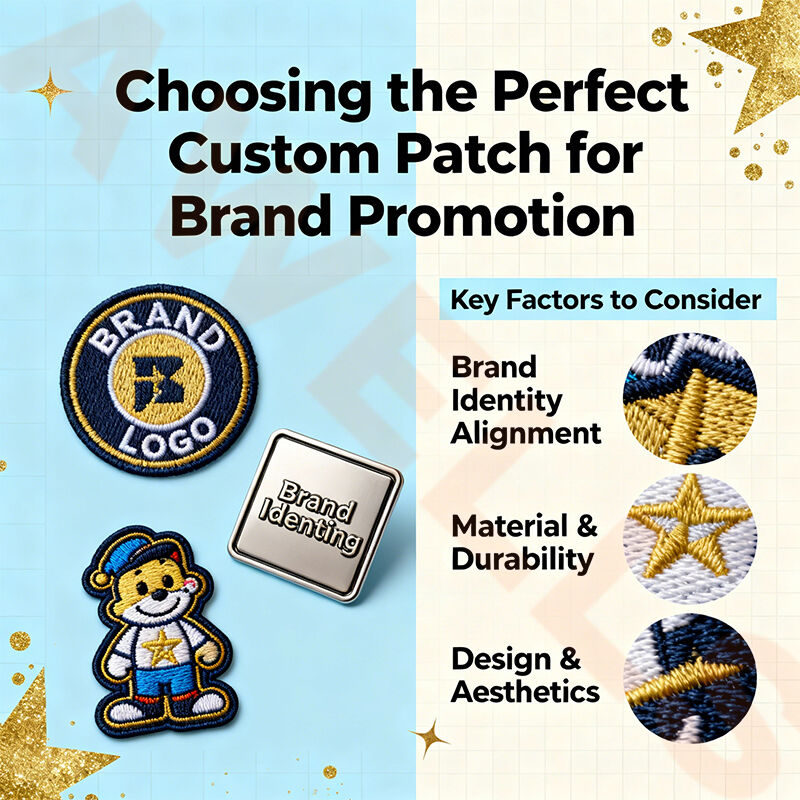
Match Custom Patch Type to Brand Identity and Use Case
Embroidered, Woven, and PVC Patches: Balancing Detail, Durability, and Brand Tone
Embroidered patches give that extra dimensionality which works great for old school or retro brands looking to stand out. The stitching count matters too - around 7k to 10k stitches per patch generally lasts longer without fraying. When it comes to intricate details, especially on smaller patches, nothing beats woven options. They handle those fine lines and complicated logos much better than other types. For stuff that needs to survive harsh conditions, PVC patches are the way to go. These ones can withstand rain, impacts, and constant rubbing, so they show up everywhere from hiking backpacks to construction site vests. What kind of patch a company chooses actually tells customers something about their identity. A brand selling heavy duty work clothes will probably go for chunky PVC material, whereas upscale fashion houses tend to pick those fancy woven silk thread patches that look super premium. And people notice this stuff too. Latest industry stats from 2023 reveal that nearly seven out of ten shoppers link good quality patches directly to how trustworthy they find a brand overall.
Chenille, Bullion, and 3D Puff: Elevating Premium Perception Through Texture and Dimension
The soft loops of chenille fabric combined with the shiny metallic threads of bullion embroidery create a touchable luxury feel that works great for executive wear, special edition products, or when giving gifts to important clients. Those 3D puff patches with their foam backing really stand out from regular designs, making logos and graphics pop for sports groups, urban fashion brands, and promotional events. Sure, using these fancy techniques adds about 30 to 50 percent to manufacturing expenses, but people just can't help noticing the difference in quality. Research into how eyes move around shows that textured patches catch attention almost twice as long as plain ones during live events. That makes spending extra money on these details totally worth it if companies want to position themselves as top tier in the market.
Dye-Sublimated and Printed Patches: Unlocking Full-Color Complexity for Logos with Gradients or Photorealism
Brands working with detailed graphics, smooth color transitions, or sophisticated shadow work often turn to dye sublimation patches because these maintain true colors while keeping the fabric soft and flexible. The process actually transfers ink deeply into materials like polyester or coated twill, which makes the colors stay vibrant for longer periods. Standard printed patches can match similar color quality and sharpness (around 1200 dots per inch is what we're talking about here) when applied to regular twill or polyester fabrics, but they just don't have that three dimensional feel that embroidery brings. These printing techniques really help out when dealing with those tricky logo designs from marketing agencies or tech companies that need to look good no matter the size. Creative studios, digital platforms, and lifestyle brands all benefit from this flexibility since it keeps their visual identity intact exactly where it needs to be precise.
Ensure Long-Term Brand Visibility with Performance-Tested Custom Patch Durability
Wash Resistance, UV Fade, and Abrasion Testing: Standards (ASTM D5034, ISO 105-C06) That Matter for High-Exposure Applications
When putting patches into tough environments, they need to pass actual performance tests, not just look good. Standards like ASTM D5034 for tensile strength and ISO 105-C06 regarding colorfastness when washed are what professionals rely on to ensure durability in real conditions. According to research from The Textile Institute in 2023, patches that survive at least fifty industrial washes without changing color by more than five percent maintain clear branding across various items including workwear, military equipment, and hotel staff clothing. Resistance against ultraviolet light stops colors from fading under constant sunlight, something important for gear used outside all day long. Testing how well patches withstand rubbing also matters a lot since logos need to stay readable even after lots of contact – think about backpacks getting dragged around or tools hanging off belts throughout jobsite operations.
Sew-On, Iron-On, and Velcro® Backing: Trade-offs Between Lifespan, Application Speed, and Reusability
Backing selection governs functional lifespan, deployment efficiency, and adaptability:
| Backing Type | Avg. Lifespan | Application Speed | Reusability | Best For |
|---|---|---|---|---|
| Sew-On | 10+ years | Slow | Low | Permanent uniforms |
| Iron-On | 3–5 years | Fast | None | Time-sensitive events |
| Velcro® | 5–7 years | Instant | High | Modular gear/swag |
Sew-on delivers maximum durability for heavy-use items. Velcro® balances moderate longevity with high reusability–ideal for rotating promotional collections or configurable uniforms. Heat-sealed (iron-on) patches enable rapid application but degrade noticeably after repeated laundering, limiting suitability to short-term deployments.
Maximize Recognition with Strategic Custom Patch Design and Placement
Size, Shape, and Optimal Placement: Applying Eye-Tracking Data (Nielsen) for Instant Brand Recall at 3–6 Feet
Where we put those patches really matters because it taps into how our brains naturally process visual information about brands. According to Nielsen's eye tracking studies, when patches sit on the upper chest area or along the shoulder sleeve, folks recognize the brand logo about 73 percent quicker at distances between three to six feet away. That's basically face to face talking range where most interactions happen whether shopping, networking, or just chatting with coworkers. Simple geometric shapes work best for patches smaller than four inches across since they stay clear and recognizable even from afar. Complicated logos need cleaner lines too so they don't get lost when viewed from a distance. Putting patches on the left side of clothing gives around 40% better memory retention compared to placing them on the right side. Most people scan left to right anyway during conversations so this makes sense. What these findings show is that smart patch placement turns what might seem like just another piece of clothing decoration into something much more powerful for branding purposes without anyone even realizing it.